💬Homeowner • Zone 5A
“We were ready to ‘just add insulation,’ but the plan started with air sealing. That alone stopped the drafts. Then we hit the right attic R-value and the upstairs finally matched the thermostat.”
⭐ ⭐ ⭐ ⭐ ⭐
A lot of homeowners do “the insulation thing” once… and still end up with cold rooms, sweaty attics, or that nagging worry: Did we trap moisture in the wrong place?
Here’s the truth: insulation isn’t one-size-fits-all. What works in Arizona can create condensation headaches in Maine. The missing piece is almost always the same—matching your insulation strategy to your IECC climate zone (the number and the moisture letter: A/B/C) as defined by the International Energy Conservation Code (IECC).
This page gives you a simple decision path: air sealing first, then the right R-values, then the right attic strategy (attic floor vs. roof deck), plus windows and doors—grounded with real-world examples like Chicago (Zone 5A) and Houston (Zone 2A).
Get My Climate-Zone Insulation Plan →
📌 Fast, practical, zone-specific steps—so you don’t waste money (or trap moisture).
Most insulation projects fail for one of two reasons: air leaks were left open (so heat and moisture keep moving), or the assembly was insulated for temperature—but not for moisture. The result is frustratingly common: you add insulation, but the home still feels uneven… and sometimes the attic starts behaving like a science experiment. If you want a practical breakdown of where leaks hide and what to do first, start with air sealing.
Your climate zone is the anchor that makes every decision clearer—how much R-value you need, whether vapor control matters, and whether you should insulate the attic floor (vented attic) or the roof deck (unvented/conditioned attic).
Quick rule to remember: In Zones 5–8, attic targets commonly reach R60. And for unvented roof decks in cold zones, condensation control often requires that ≥ 50% of the total R-value comes from air-impermeable insulation (like spray foam) to keep the roof deck warm.
Need the official climate-zone definitions? Start here: IECC climate zone guide (DOE).
“The biggest surprise wasn’t the warmth—it was how much quieter and more even the whole house felt once the air leaks were sealed and the attic plan matched our zone.”
💬Homeowner • Zone 5A
“We were ready to ‘just add insulation,’ but the plan started with air sealing. That alone stopped the drafts. Then we hit the right attic R-value and the upstairs finally matched the thermostat.”
⭐ ⭐ ⭐ ⭐ ⭐
💬Homeowner • Zone 2A
“Our ducts were in the attic, so the roof deck approach made sense. The guidance around moisture helped us avoid mistakes. The AC runs less and the whole home feels steadier.”
⭐ ⭐ ⭐ ⭐ ⭐
💬Homeowner • Mixed Climate
“The checklist made it obvious what to do first (seal) and what to do next (R-value by zone). No guesswork. No overbuying. No ‘oops’ vapor barrier decisions.”
⭐ ⭐ ⭐ ⭐ ⭐
Once you frame insulation as a system—air movement + heat movement + moisture movement—the decision gets a lot calmer.
You don’t start with “spray foam vs. fiberglass.” You start with: What zone am I in? Then: Is my attic vented? Then: Are ducts/HVAC up there? And only then do materials and R-values fall into place. If you’re weighing materials, this comparison helps: blown-in vs. batt insulation.
Here’s what changes the moment you go climate-zone-first:
If you’re tired of conflicting advice, this is the simplest next step: a zone-specific plan that tells you what to do first, what to avoid, and how to choose between attic floor vs. roof deck—without triggering moisture problems.
Yes—Show Me the Step-by-Step Plan →
🔥 Bonus: includes quick examples for Chicago (Zone 5A) and Houston (Zone 2A) so you can sanity-check your approach.
You’re not just choosing insulation—you’re choosing how your home manages heat and moisture. This process keeps it simple and prevents the two most common failures: leaky ceilings and the wrong vapor approach.
Clarity check: If your attic is vented and empty, attic floor insulation is usually the cleanest win. If your ducts/HVAC are up there, roof deck insulation can stop you from “conditioning the outdoors.” The right answer depends on your zone and your attic conditions—not the trendiest material. (If you’re unsure where insulation fits versus the rest of the envelope, compare weatherization vs insulation.)
When insulation is matched to your climate zone, you get the outcome you actually want: steady comfort, lower bills, and a home that stays dry and healthy.
If you’re stuck between attic floor vs. roof deck—or worried about moisture—use the plan and move forward with confidence. For deeper building-science guidance on assemblies, you can also reference the Building America Solution Center resources.
Get My Climate-Zone Insulation Plan →
✅ Want the starting point? Here’s DOE insulation basics: DOE insulation guide.
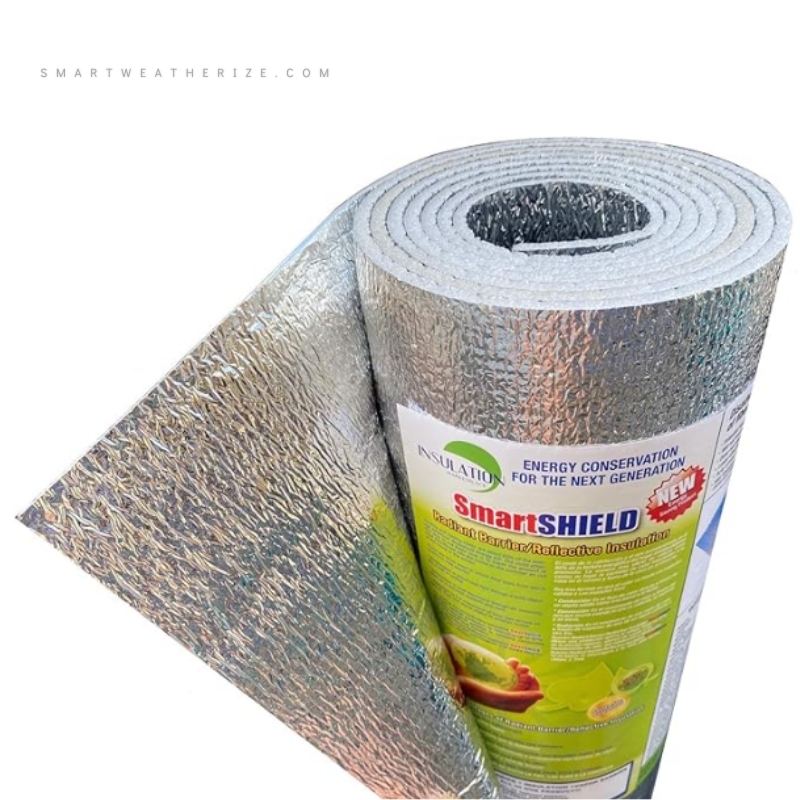
A high-reflectivity radiant + vapor barrier designed to cut attic heat gain and reduce seasonal heat transfer.
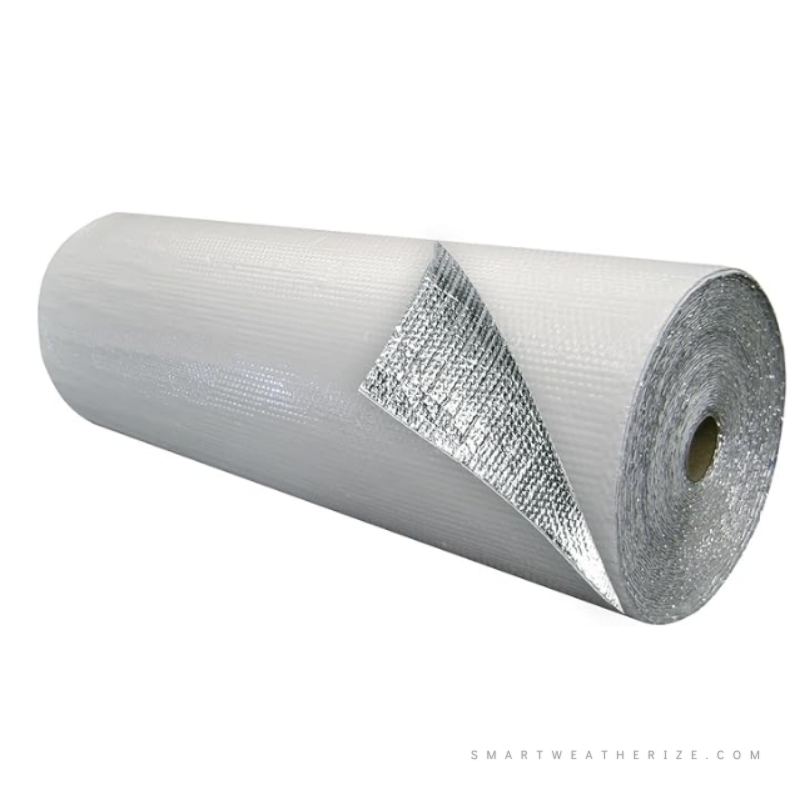
Lightweight reflective insulation that helps reduce radiant heat transfer without itchy fibers or special gear.
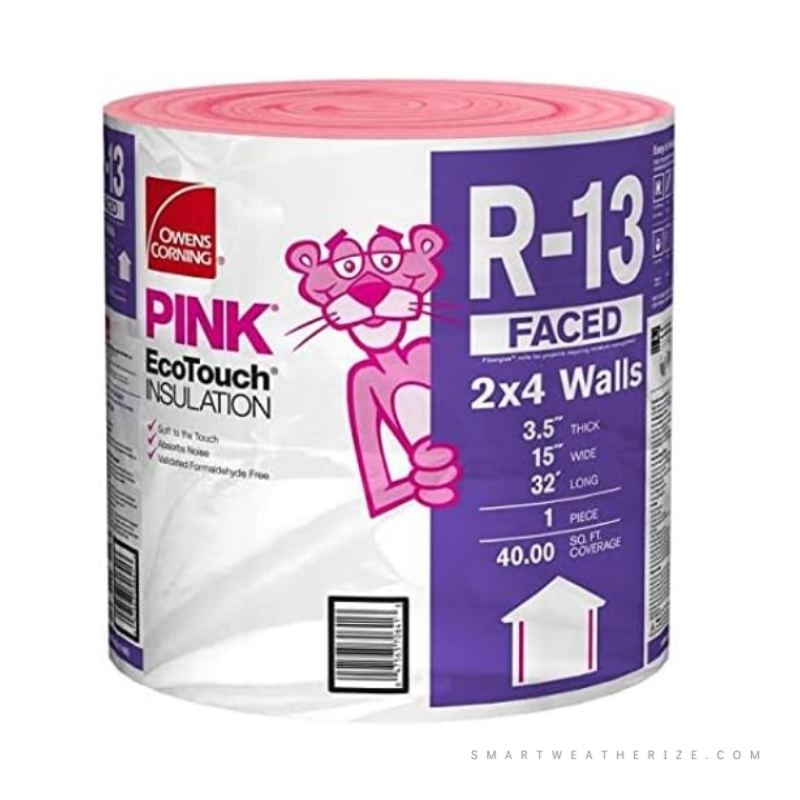
Classic fiberglass roll insulation for improving comfort and noise control in easy-access attic floor areas.
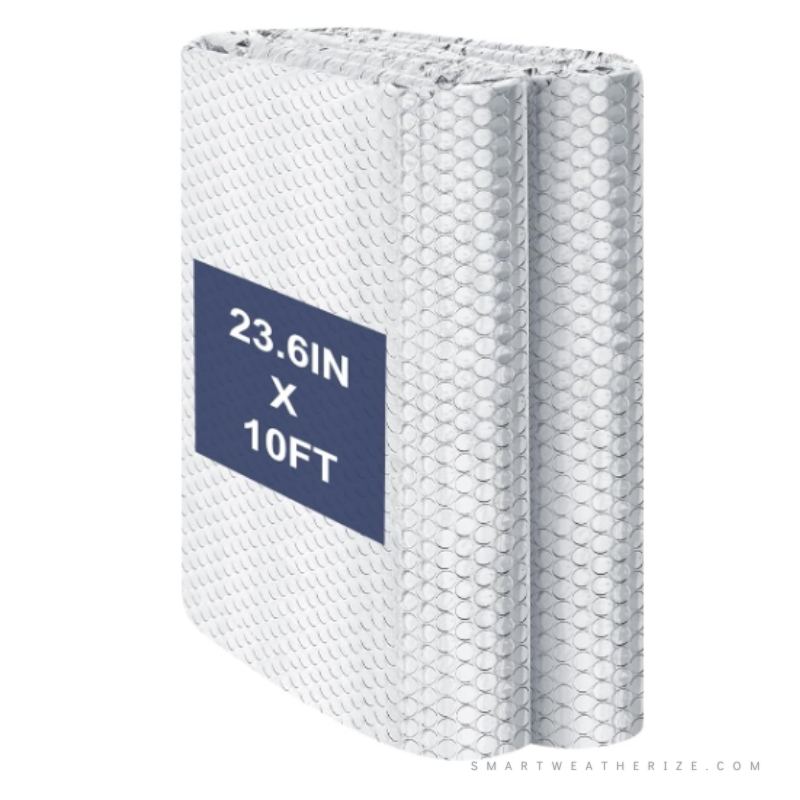
An opaque, double-foil bubble insulation roll for blocking sun/heat and improving comfort in multiple spaces.
Get Help to Lower Your Utility Bills Today!

Want to get in touch? We make it our priority to respond to every request within 24h.