What Is Weatherization and Why It Matters for Your Home
Weatherization is one of the most cost-effective ways to improve your home's energy efficiency, comfort, and long-term durability. This guide explains what weatherization means, why it’s important for homeowners and renters alike, and how it can significantly reduce energy bills while benefiting the environment. Whether you're new to the term or considering upgrades, this article breaks it all down in simple terms.
The Definition and Core Purpose
Weatherization refers to the process of protecting a building—and everything inside it—from the elements, particularly by reducing unwanted heat loss or gain. The primary goal is to enhance a home’s energy efficiency, reduce utility expenses, and maintain year-round indoor comfort.
At its core, weatherization involves:
- Sealing air leaks that let conditioned air escape
- Adding or upgrading insulation in attics, walls, and crawl spaces
- Improving ventilation systems to ensure healthy airflow without compromising efficiency
Together, these components help homes maintain more stable indoor temperatures, which reduces reliance on heating and cooling systems.
History and Policy Background
Weatherization has been part of U.S. energy policy since the 1970s. In response to the oil crisis, the Weatherization Assistance Program (WAP) was created in 1976 to help low-income households improve energy efficiency.
Over the decades, WAP has evolved from simple fixes like window caulking to comprehensive upgrades involving HVAC systems, advanced insulation techniques, and indoor air quality improvements. Today, the program continues to play a crucial role in reducing energy burdens and promoting sustainable housing, especially in underserved communities.
According to the U.S. Department of Energy (DOE), over 7 million homes have been weatherized through the program, saving families hundreds of dollars annually.
Why Weatherization Matters for Your Home
Financial Benefits
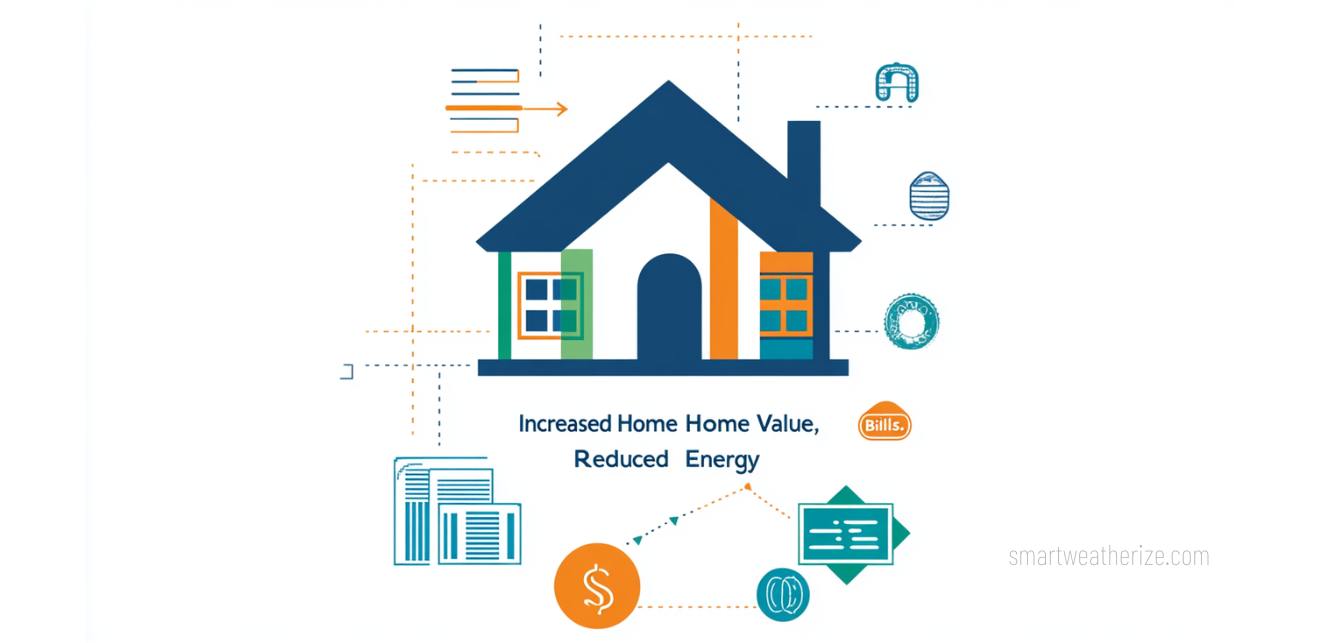
One of the most compelling reasons to weatherize your home is the cost savings.
When you reduce air leaks and improve insulation, your heating and cooling systems don’t have to work as hard. That means lower utility bills month after month. According to a U.S. Department of Energy study, homes that undergo weatherization save up to $283 annually on energy bills.
Additionally, weatherization typically offers a solid return on investment (ROI). Most homeowners recoup their initial costs within a few years, and energy-efficient upgrades often increase home resale value.
Comfort and Health Improvements
Weatherization doesn’t just save money—it also improves how your home feels and functions.
Better insulation and air sealing help:
- Maintain consistent indoor temperatures—no more hot or cold spots
- Reduce drafts, making rooms more comfortable year-round
- Block out moisture, allergens, and outdoor pollutants, which can aggravate respiratory conditions like asthma
These improvements are especially valuable in older homes, where outdated construction materials often allow unwanted airflow and moisture intrusion.
Environmental Impact
Weatherizing your home also benefits the planet. By using less energy, you're lowering your carbon footprint and helping combat climate change.
According to the U.S. Environmental Protection Agency (EPA), energy-efficient homes produce 30% fewer greenhouse gas emissions compared to inefficient ones. In a world increasingly affected by climate challenges, even small household improvements can make a big difference.
Plus, supporting sustainable housing through weatherization aligns with broader climate goals and local energy conservation efforts.
Key Weatherization Measures to Consider
Air Sealing
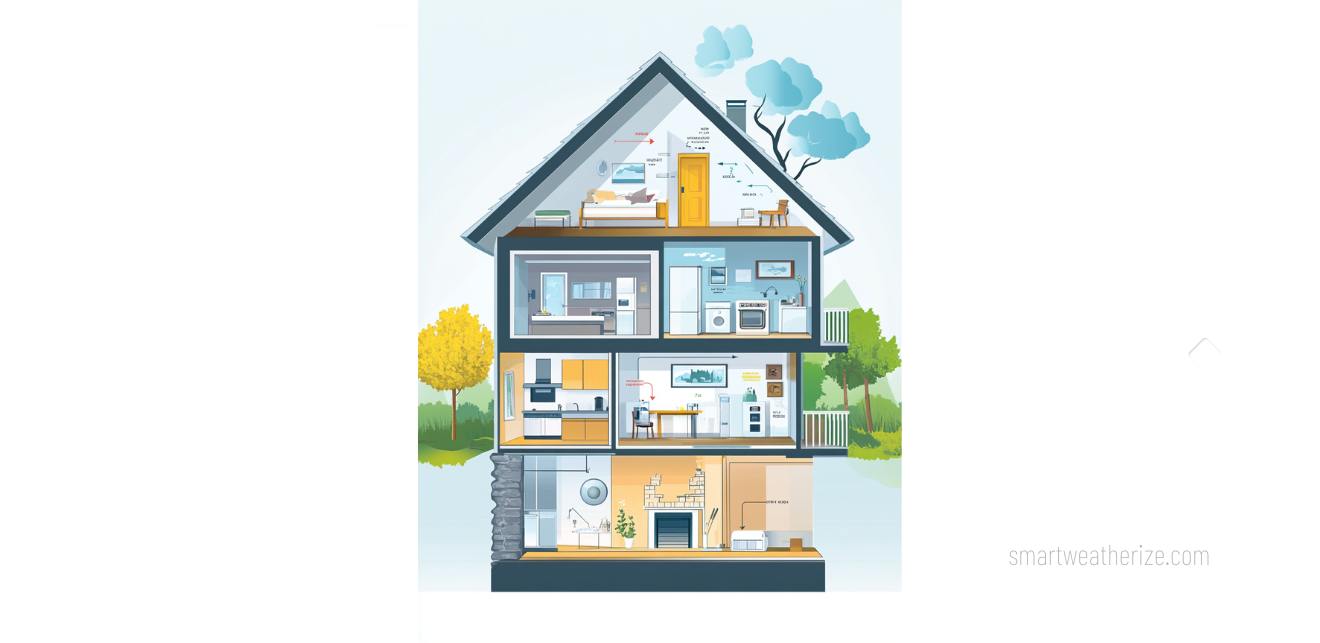
Air leaks are one of the biggest culprits behind energy waste. They allow heated or cooled air to escape, forcing your HVAC system to work harder.
Common leak areas include:
- Around windows and doors
- Attic hatches
- Electrical outlets
- Basements and crawlspaces
Effective sealing techniques include:
- Caulking around window frames and baseboards
- Weatherstripping doors and operable windows
- Spray foam for sealing larger gaps in basements and attics
Addressing these leaks can significantly improve a home’s energy efficiency with relatively low effort and cost.
Insulation Upgrades
Insulation acts like a blanket for your home, keeping warm air inside during winter and hot air out during summer.
Common insulation materials:
| Type | Best Use Areas | Key Benefit |
|---|---|---|
| Fiberglass | Attics, walls | Cost-effective and widely available |
| Cellulose | Wall cavities, attics | Eco-friendly (recycled content) |
| Spray Foam | Hard-to-reach spaces | High air-sealing performance |
For maximum impact, consider insulating:
- Attics (a major source of heat loss)
- Basement ceilings and crawlspaces
- Exterior walls, if they’re under-insulated
A well-insulated home maintains temperature better and significantly cuts energy consumption.
HVAC and Ventilation Enhancements
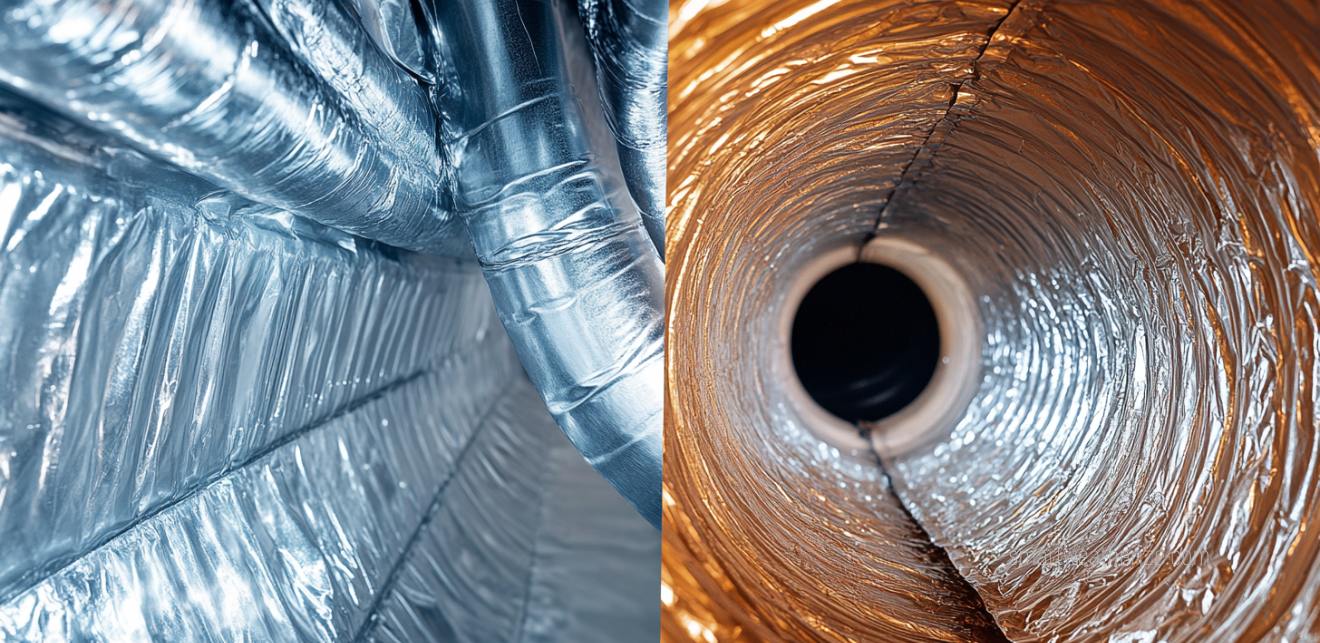
Heating, ventilation, and air conditioning (HVAC) systems are responsible for a large portion of your home's energy use. That makes them a prime target for weatherization upgrades.
Key improvements include:
- Sealing and insulating ductwork to prevent heat loss
- Upgrading to ENERGY STAR–rated HVAC systems for higher efficiency
- Installing programmable thermostats to better manage heating and cooling schedules
- Adding mechanical ventilation systems (like ERVs or HRVs) to maintain indoor air quality while conserving energy
These enhancements improve performance, reduce costs, and contribute to a healthier indoor environment.
Key Insights and Research
Recent studies reinforce the value of weatherization across multiple dimensions:
- According to the DOE, weatherized homes save up to $283 per year on energy bills.
- The EPA reports that energy-efficient homes produce 30% less greenhouse gas emissions.
- Research from Lawrence Berkeley National Laboratory shows that better insulation leads to more stable indoor temperatures and lower heating and cooling loads, especially in homes with older construction.
These findings confirm that weatherization is both a smart financial choice and an environmental imperative.
Expert Quotes on Weatherization
“WEATHERIZATION IS ONE OF THE FASTEST, MOST AFFORDABLE WAYS TO CUT ENERGY COSTS AND BOOST HOME VALUE.”
— Jennifer Thorne Amann, Buildings Program Director, ACEEE
“PEOPLE UNDERESTIMATE THE ROLE OF WEATHERIZATION IN PUBLIC HEALTH. IT'S MORE THAN SAVING MONEY—IT'S ABOUT SAFER, HEALTHIER LIVING SPACES.”
— Dr. Richard Corsi, Indoor Air Quality Expert
Real-Life Case Studies
Urban Homeowner Saves $500 Annually
A homeowner in Chicago retrofitted their 1950s bungalow with key weatherization upgrades:
- Sealed air ducts
- Upgraded attic insulation
- Installed a smart thermostat
These changes cut annual energy bills by nearly $500 and made the home noticeably more comfortable in both summer and winter.
Weatherization in Low-Income Housing
The Weatherization Assistance Program (WAP) continues to make a real difference for low-income families.
In a New Mexico neighborhood, a set of public housing units received:
- Insulation and air sealing
- Energy-efficient HVAC systems
- New ventilation systems
Residents reported not only lower utility bills but also improved air quality and reduced asthma symptoms among children.
Frequently Asked Questions (FAQs)
Q1: What is the difference between weatherization and insulation?
A: Insulation is one part of weatherization. Weatherization is a broader approach that includes sealing leaks, enhancing ventilation, and optimizing HVAC systems to boost overall energy efficiency.
Q2: How much does weatherization typically cost?
A: Weatherization costs can range from $500 to $6,000, depending on the size and condition of the home. However, many upgrades pay for themselves within a few years through energy savings.
Q3: Is weatherization worth it for renters?
A: Absolutely. While renters may not be able to make large structural changes, low-cost fixes like caulking, weatherstripping, and thermal curtains can reduce drafts and lower heating bills.
Q4: Are there government programs that help pay for weatherization?
A: Yes. The Weatherization Assistance Program (WAP) provides free or subsidized upgrades for qualifying low-income households. Many states also offer rebates and incentives through utility companies.
Conclusion
Weatherization is more than a buzzword—it’s a smart, accessible, and highly effective strategy for making your home more efficient, comfortable, and eco-friendly. Whether you live in a historic house or a newer build, weatherizing your home is a proven investment that pays dividends in savings, comfort, and sustainability.
Next Steps
Here are some simple actions to take if you’re ready to explore weatherization:
- Schedule a home energy audit to identify specific areas for improvement.
- Seal obvious air leaks with caulk or weatherstripping while waiting for upgrades.
- Research local rebate programs or apply for the Weatherization Assistance Program.
- Upgrade insulation in the attic—often the biggest source of heat loss.
- Install a programmable thermostat to better control energy usage.
By taking even one of these steps, you're moving toward a home that’s better for your wallet—and the world.
Contact us for a FREE consultation
Get Help to Lower Your Utility Bills Today!

Contact us
Want to get in touch? We make it our priority to respond to every request within 24h.