Residential weatherization is one of those behind-the-scenes upgrades that pays off in big ways. By sealing up drafts, improving insulation, and making your home more energy-smart, you can cut down on utility bills, boost comfort in every season, and even do your part for the planet.
And with energy costs climbing and climate concerns growing louder, weatherization isn’t just a “nice to have” anymore — it’s becoming a necessity for households everywhere.
In this guide, we’ll walk through what weatherization really means, why it matters more than ever, and the most effective techniques you can use. We’ll also look at financial assistance programs that can make these upgrades more affordable, and give you clear steps to start making improvements that truly move the needle.
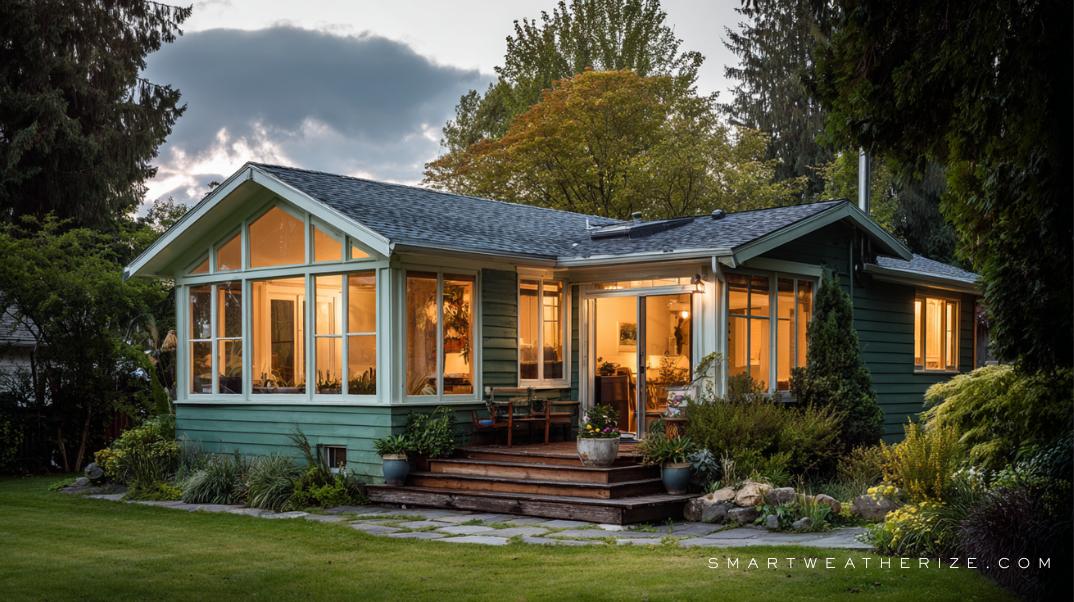
What is Residential Weatherization?
Think of residential weatherization as giving your home a warm winter coat and a cool summer shade all at once. It’s a collection of home improvements designed to make your living space more energy-efficient and comfortable. That usually means sealing those sneaky air leaks, adding insulation, upgrading drafty windows and doors, and making sure your HVAC system isn’t working harder than it should. Together, these steps help your home hold on to heat in the winter and stay cool in the summer—without running up your utility bill.
Core Objectives: Efficiency, Savings, and Comfort
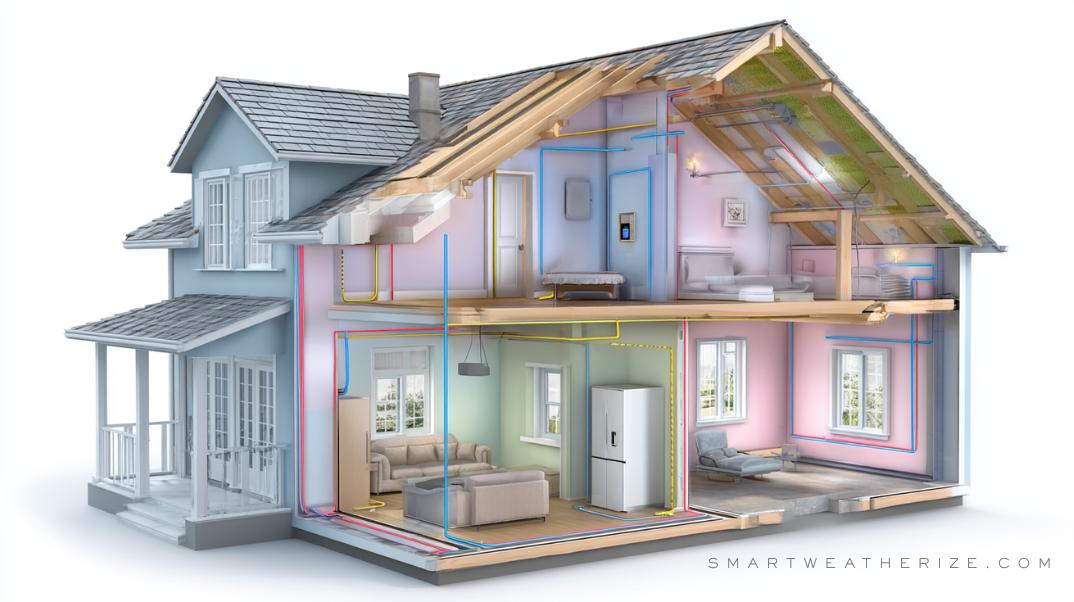
When it comes down to it, weatherization has three main goals:
Energy Efficiency: Stop wasting energy by sealing up leaks, improving insulation, and making your systems work smarter.
Cost Savings: Cut those monthly bills by reducing how much you rely on heating and cooling.
Enhanced Comfort: Say goodbye to cold drafts, uneven room temps, and damp corners. Weatherization makes your home feel more stable and cozy year-round.
The beauty is, while you enjoy all of these benefits personally, you’re also helping out the environment by lowering overall energy use.
Why Weatherization Matters More Than Ever
Rising Energy Costs
It’s no secret—energy prices have been climbing. The U.S. Energy Information Administration reports that residential electricity prices rose about 14% between 2021 and 2023. That kind of increase hits hard. Weatherization helps buffer you from these costs so you can stay comfortable without feeling the sting every time the utility bill arrives.
Climate Change and Energy Conservation
The building sector accounts for nearly 40% of total U.S. energy use. By weatherizing homes, we cut greenhouse gas emissions and shrink our collective carbon footprint. It may feel like a small step, but when multiplied across millions of households, it adds up to real climate impact.
Health Benefits of a Weatherized Home
This isn’t just about money and the environment—it’s about your health. A weatherized home keeps pollutants, allergens, and excess moisture out, which can reduce breathing problems like asthma. The American Lung Association has found that proper weatherization can make a noticeable difference in indoor air quality. That means healthier lungs and a safer living space.
Top Residential Weatherization Techniques
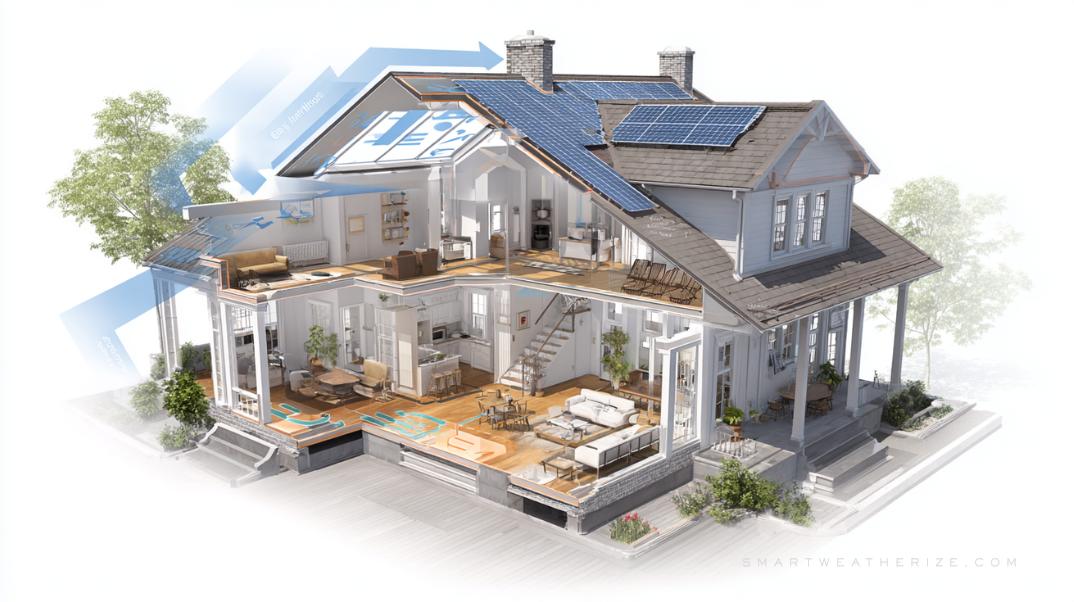
There are lots of ways to weatherize a home, but here are the heavy-hitters that make the biggest difference:
Air Sealing and Insulation
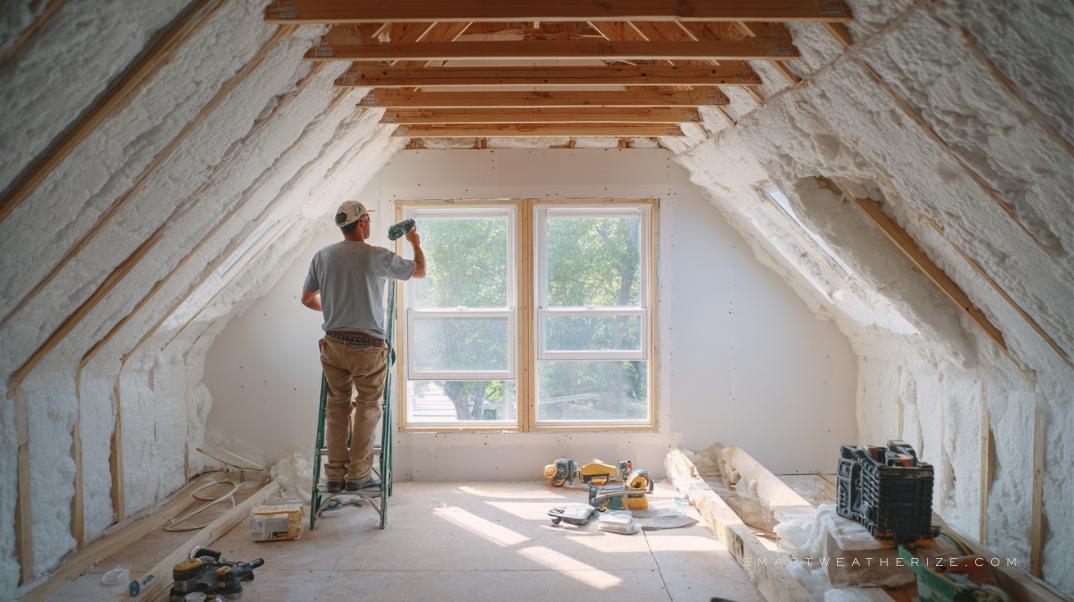
Drafts around windows, doors, attics, and basements are energy thieves. Sealing them with caulking and weather-stripping, then boosting insulation in attics, walls, and crawl spaces, creates a strong thermal barrier. According to the Rocky Mountain Institute, these improvements can cut heating and cooling costs by up to 30%.
Window and Door Upgrades
Old, leaky windows and doors let comfort slip right out of your home. Swapping them out for double- or triple-paned windows and insulated doors can trim bills by an estimated 12%, according to the EPA.
HVAC System Improvements
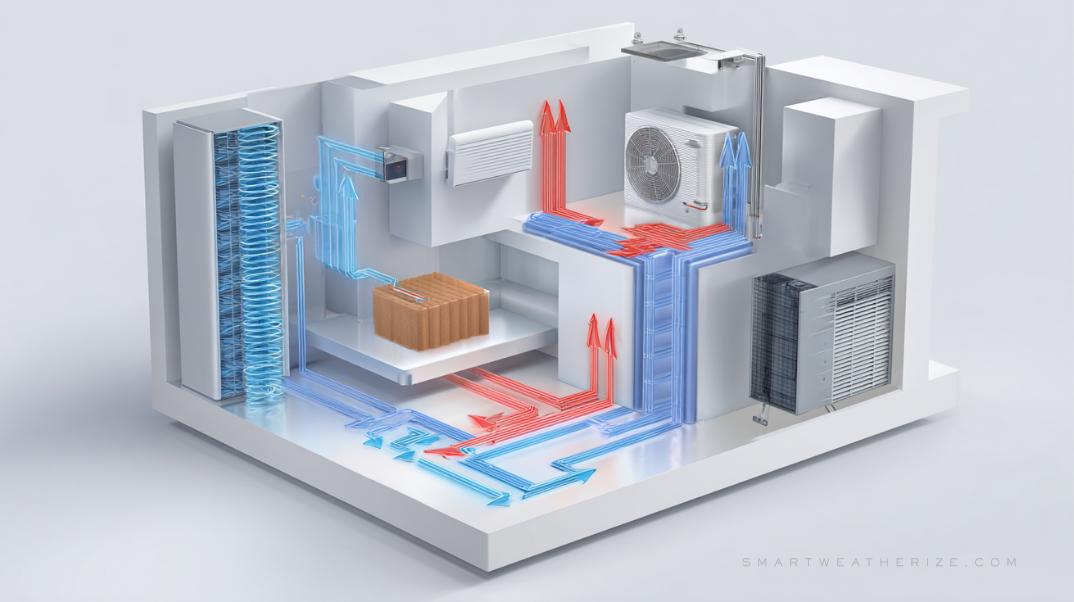
Even the most weatherized home needs a strong HVAC system. Routine maintenance, like cleaning ducts and replacing filters, keeps things running smoothly. Upgrading to an Energy Star-rated system can save up to 20% annually on energy costs.
Smart Thermostats and Energy Audits
A smart thermostat learns your habits and keeps your home efficient without you lifting a finger. Pair that with a professional energy audit, and you’ll know exactly where to focus your efforts. The U.S. Department of Energy estimates that proper use of a programmable thermostat alone can save about 10% a year on heating and cooling.
Financial Incentives and Assistance Programs

Here’s the good news: weatherization doesn’t always mean draining your savings account. There are programs that can help.
Federal Weatherization Assistance Program (WAP)
Run by the U.S. Department of Energy, the WAP offers free services to low-income households. On average, families save around $283 a year after upgrades.
State and Local Rebates
Many states and cities offer rebates and tax credits for insulation, new windows, or HVAC improvements. Your local energy office or utility commission is a good place to start checking.
Utility Company Incentives
Utilities often provide their own rebates, from discounts on smart thermostats to subsidized energy audits. It’s worth a quick visit to your provider’s website to see what’s currently available.
Key Insights and Research
The numbers really drive home why weatherization is worth it:
| Source | Finding |
|---|---|
| U.S. Department of Energy (DOE) | Weatherization reduces energy bills by an average of $283 per year per household. |
| Environmental Protection Agency (EPA) | Proper insulation can lower heating and cooling costs by up to 15%. |
| Rocky Mountain Institute | Air sealing alone can cut household energy use by 10–20%. |
Expert Quotes on Weatherization
“Weatherization is not just a cost-saving measure; it’s a quality-of-life upgrade.” — U.S. Department of Energy official
“Investing in weatherization often pays for itself in just a few years.” — Energy consultant, Rocky Mountain Institute
“A properly weatherized home is healthier, safer, and more resilient against environmental challenges.” — Dr. Rebecca Cline, Environmental Health Specialist
Case Studies and Real-World Examples
Sometimes the best proof is what real families and communities have already experienced:
Example 1: Single-Family Home Saves $500 Annually
In Minneapolis, a family living in a 2,000-square-foot home had their attic insulated and leaks sealed. Their reward? Over $500 in yearly savings and a far more comfortable home during the bitter winters and humid summers.
Example 2: Apartment Complex Cuts Energy Use by 30%
In Denver, a 50-unit apartment building underwent a weatherization makeover—air sealing, HVAC upgrades, and smart thermostats. The result was a 30% drop in energy use and happier tenants who noticed the difference immediately.
Frequently Asked Questions (FAQs)
What is included in residential weatherization?
Air sealing, insulation upgrades, HVAC improvements, window and door replacements, and sometimes even installing more efficient appliances.
How much does it usually cost?
Between $2,000 and $6,000 before incentives—but programs can lower that significantly.
Which areas of the house benefit the most?
Attics, basements, and those leaky spots around windows and doors are prime targets.
Are there grants available?
Yes, federal, state, and utility-based programs all exist to help cover costs.
How long does the work take?
It depends on your home’s condition, but it can range from a single day to a few weeks for bigger projects.
Conclusion: Why Every Home Needs Weatherization
At the end of the day, weatherization is about more than saving money. It’s about creating a healthier, more comfortable space for you and your loved ones while also doing your part for the planet. You’ll see real energy savings, enjoy better indoor comfort, and know you’re contributing to a more sustainable future. Whether you’re a homeowner, renter, or landlord, weatherization is one of the smartest investments you can make in your home—and in your quality of life.