Weatherization reduces energy waste by sealing leaks and improving insulation, delivering 10–30% annual savings on utility bills. With relatively low upfront costs and payback periods as short as 3–7 years, it’s one of the highest ROI upgrades for homeowners seeking comfort, efficiency, and long-term value.
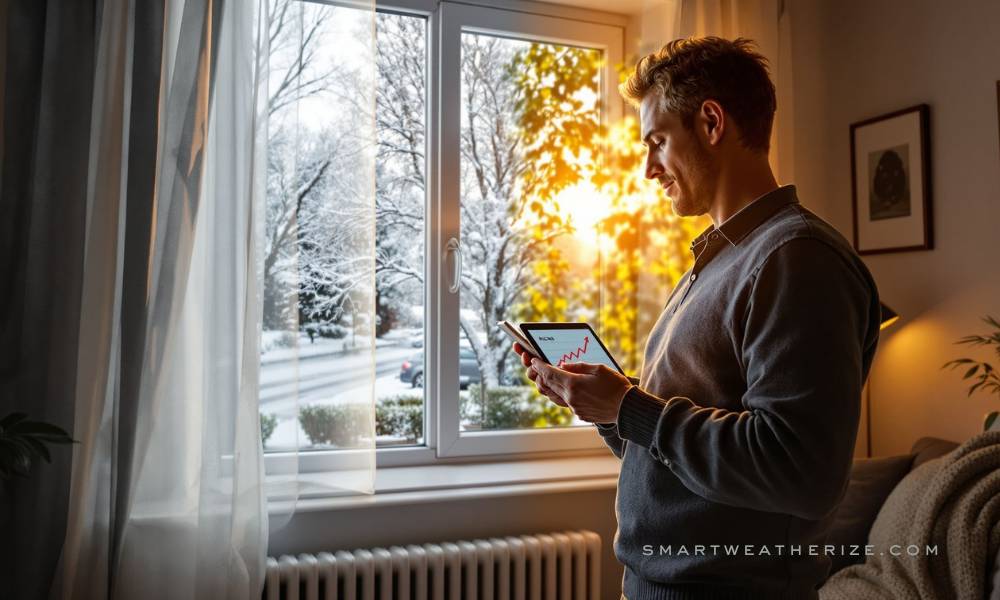 Rising energy bills are pushing homeowners to consider weatherization upgrades.
What Is Weatherization and Why Does It Matter
Weatherization is the process of improving your home’s energy efficiency by sealing air leaks, enhancing insulation, and optimizing airflow. Its primary goal is simple: keep conditioned air inside while blocking outdoor elements.
Common Weatherization Methods
- Air sealing around windows, doors, and baseboards
- Insulating attics, walls, and crawl spaces
- Duct sealing to prevent energy loss
- Weatherstripping doors and windows
- Window upgrades like storm panels or solar film
- Ventilation improvements for healthy airflow
Key Benefits
- Reduced energy loss
- Improved indoor comfort year-round
- Lower utility bills
- Better indoor air quality
- Longer HVAC system lifespan
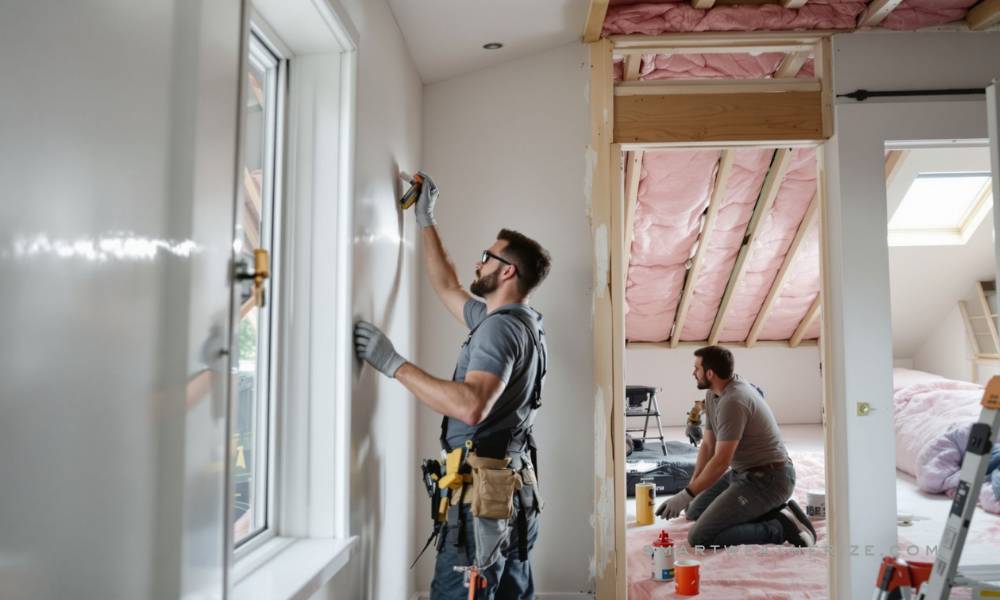 Professional weatherization techniques improve insulation and reduce energy loss.
Weatherization Cost Breakdown
One of the biggest reasons homeowners ask, “Is weatherization worth the cost?” is the upfront investment. Fortunately, it remains one of the most affordable high-impact upgrades.
| Project Type | Average Cost |
|---|---|
| DIY Air Sealing | $200–$600 |
| Professional Air Sealing | $800–$1,800 |
| Attic Insulation | $1,500–$3,000 |
| Whole-Home Weatherization | $2,500–$5,000+ |
Average total cost: $1,500–$5,000
Many households qualify for assistance through programs like the Weatherization Assistance Program (WAP), which can significantly reduce or eliminate costs.
DIY vs Professional
- DIY weatherization saves money but may miss hidden inefficiencies
- Professional audits provide advanced diagnostics and deeper savings
Weatherization Savings: Real ROI Explained
Weatherization delivers immediate and long-term financial benefits. Most homeowners notice reduced energy bills within the first month.
- Average savings: $283 annually
- HVAC energy reduction: up to 20%
- Payback period: 3–7 years
- Tax credits: up to 30% for qualifying upgrades
As a homeowner managing rising utility costs, these savings compound year after year—making weatherization one of the smartest investments available.
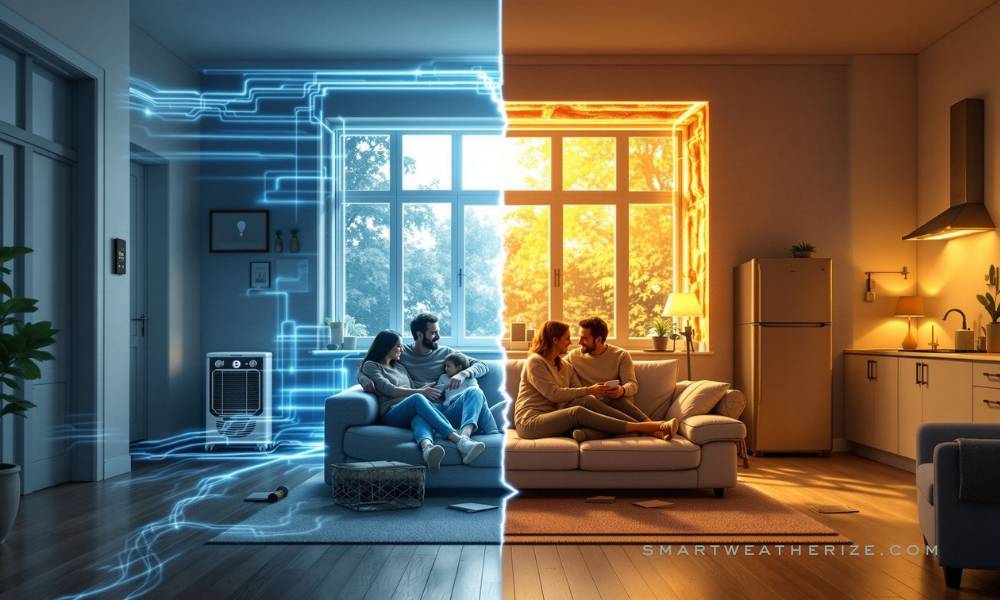 Energy savings after weatherization can significantly reduce monthly utility bills.
Expert Insights on Weatherization ROI
“The payback on weatherization is one of the fastest in the home improvement industry—especially in older homes.”
— Brian Jamison, Certified Energy Auditor
“Think of weatherization as energy insurance: it saves you money in every season and improves indoor health.”
— Martha Donnelly, Green Building Consultant
Is Weatherization Worth the Cost for Your Home?
In most cases, the answer is yes—especially if your home shows signs of energy inefficiency.
Signs You Should Weatherize
- High energy bills
- Uneven temperatures
- Drafts near windows or doors
- Excess dust or humidity
- Older home (pre-1990 construction)
Start With an Energy Audit
An energy audit identifies exactly where your home is losing energy.
- Blower door testing
- Infrared imaging
- Insulation inspection
- HVAC efficiency analysis
Typical cost: $150–$500 (often free through local programs)
Ready to Cut Your Energy Bills?
Take control of your home’s efficiency today. Whether you’re starting small or planning a full upgrade, weatherization delivers immediate and long-term savings.
Frequently Analyzed Topics
How quickly will I see savings?
You’ll likely notice reduced energy bills within 1–2 months. Full ROI typically occurs within 3–5 years, depending on project size and climate.
Is financial assistance available?
Yes. Many federal, state, and utility programs offer rebates, tax credits, or even free weatherization services for qualifying households.
Can I weatherize in stages?
Yes. Start with air sealing, then move to insulation and duct improvements as your budget allows.
Does weatherization improve air quality?
Yes. Sealing leaks reduces pollutants and allergens while controlled ventilation maintains healthy airflow.
Final Verdict: Is Weatherization Worth the Cost?
- ✔ Lower monthly energy bills
- ✔ Increased home comfort
- ✔ Strong long-term ROI
- ✔ Higher property value
Weatherization isn’t just an upgrade—it’s a long-term financial strategy. As a homeowner, investor, or energy-conscious buyer, investing in efficiency today pays dividends for years.

Terry Mercer is a seasoned energy expert whose career spans over two decades in the renewable energy and sustainability sectors. Born and raised in Colorado, Terry developed a deep appreciation for the environment at an early age, which led him to pursue a degree in Environmental Engineering from a renowned university in Colorado. After graduating, he began his career with a regional utility company, eventually rising to lead several major initiatives in wind and solar energy integration. Terry continues to champion solutions that make renewable energy more accessible to underserved communities.