How is crawl space weatherization transforming home performance?
Crawl space weatherization improves energy efficiency, prevents moisture damage, and enhances indoor air quality by sealing, insulating, and controlling airflow beneath your home. This upgrade can reduce utility bills, eliminate mold risks, and extend structural lifespan—making it one of the most impactful home improvements available.
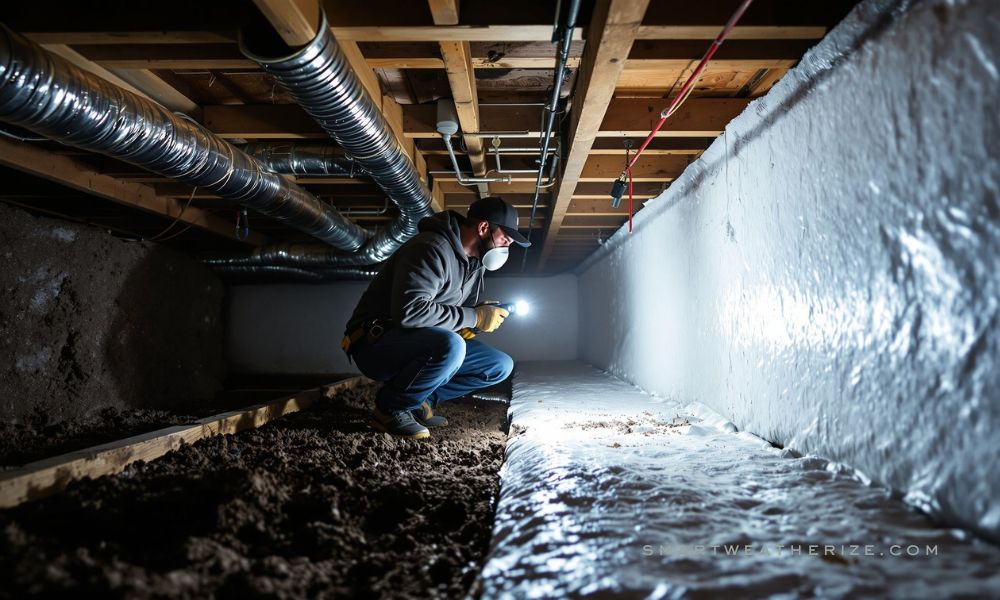
Crawl space weatherization is an often-overlooked but essential part of home energy efficiency, comfort, and structural health. Properly insulating and sealing this space can reduce utility bills, prevent moisture damage, and improve indoor air quality.
What Is Crawl Space Weatherization?
Crawl space weatherization involves sealing, insulating, and protecting the space beneath your home to reduce energy loss and moisture intrusion.
- Installing insulation on walls, floors, and ducts
- Applying vapor barriers to block ground moisture
- Sealing gaps and vents to prevent air leakage
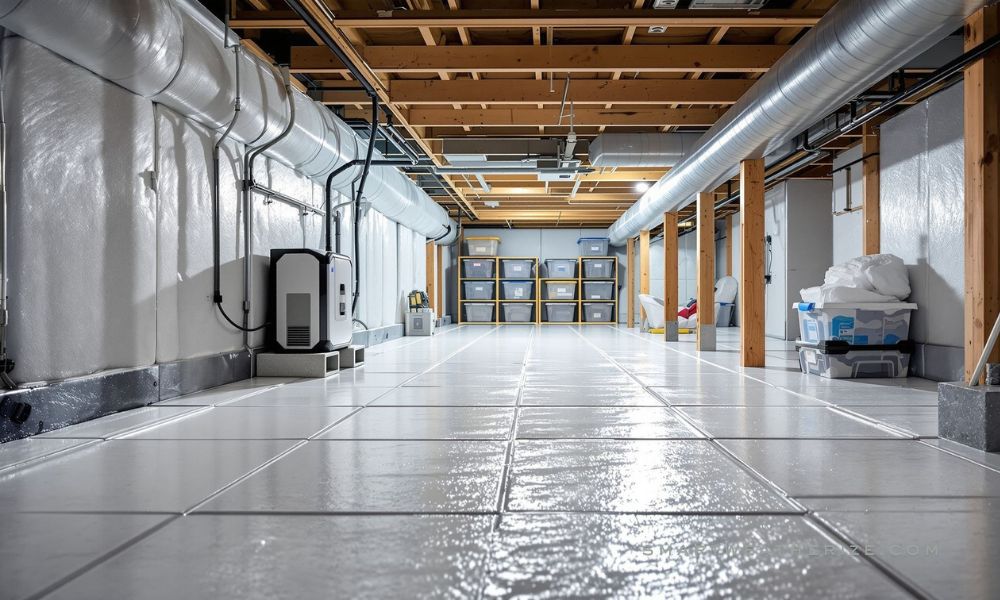
- Encapsulation for full environmental control
Unsealed crawl spaces contribute to heat loss, humidity issues, and poor air quality—making this upgrade critical regardless of climate.
Key Benefits of Crawl Space Weatherization
Energy Efficiency & Savings
Proper weatherization can reduce heating and cooling losses by up to 30%, leading to annual savings of $500–$1,200.
Moisture Control
Prevents mold, wood rot, and structural damage by keeping humidity levels in check.
Indoor Air Quality
Up to 50% of indoor air originates from the crawl space—cleaning it improves overall health conditions.
Pest Prevention
Sealing entry points eliminates access for rodents and insects.
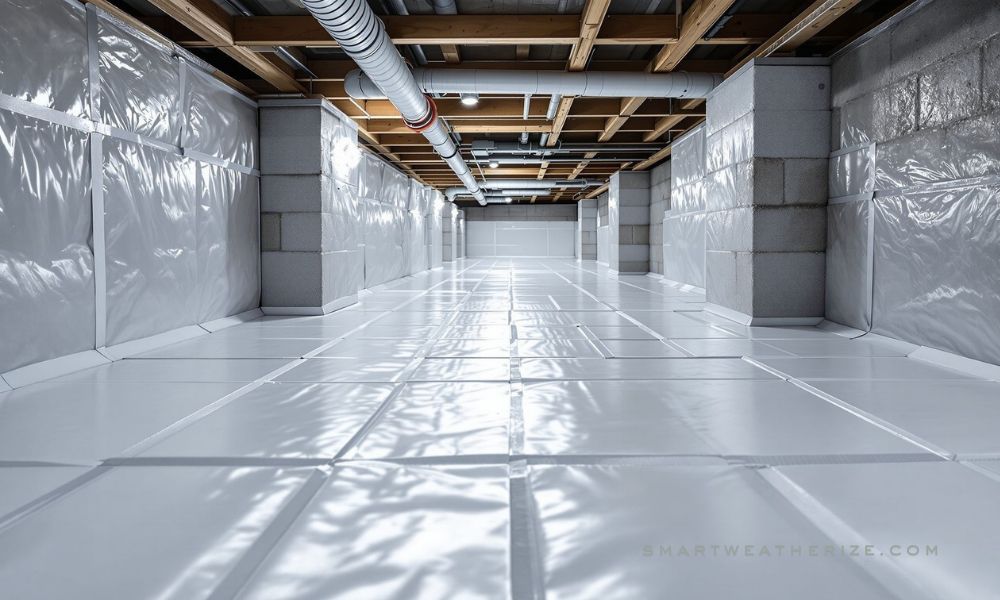
Key Components of Crawl Space Weatherization
Insulation
Use foam board, fiberglass, or spray foam, depending on climate and crawl space type.
Vapor Barriers
Install polyethylene sheets across the ground to prevent moisture from rising.
Air Sealing
Seal gaps around pipes, ducts, and structural joints to eliminate drafts.
Encapsulation
Fully seals the crawl space and may include dehumidifiers for maximum control.
Ready to improve your crawl space?
Take the first step toward lower energy bills and a healthier home.
Common Mistakes to Avoid
- Ignoring climate-specific requirements
- Skipping moisture control systems
- Using incorrect insulation materials
- Incomplete air sealing
Professional installation ensures long-term results and avoids costly errors.
“A properly encapsulated crawl space is one of the best energy efficiency upgrades you can make.”
— Allison A. Bailes
Frequently Analyzed Topics
Is crawl space weatherization worth it?
Yes, it delivers strong ROI through energy savings, reduced repairs, and improved comfort.
Should I insulate walls or floors?
Walls for encapsulated spaces, floors for vented crawl spaces.
Can I DIY crawl space weatherization?
Basic sealing is possible DIY, but encapsulation and moisture issues require professionals.
Transform Your Home with Crawl Space Weatherization
- Lower energy bills year-round
- Protect your home from moisture damage
- Improve air quality and comfort

Terry Mercer is a seasoned energy expert whose career spans over two decades in the renewable energy and sustainability sectors. Born and raised in Colorado, Terry developed a deep appreciation for the environment at an early age, which led him to pursue a degree in Environmental Engineering from a renowned university in Colorado. After graduating, he began his career with a regional utility company, eventually rising to lead several major initiatives in wind and solar energy integration. Terry continues to champion solutions that make renewable energy more accessible to underserved communities.