How is the Houston Home Repair Program helping homeowners stay safe and save money?
The Houston Home Repair Program provides grants and low-cost repairs for critical home issues like roofing, electrical hazards, and HVAC failures. It helps low-income homeowners maintain safe, energy-efficient housing while reducing costly emergencies and long-term utility expenses.
What Is the Houston Home Repair Program?
Why It Exists
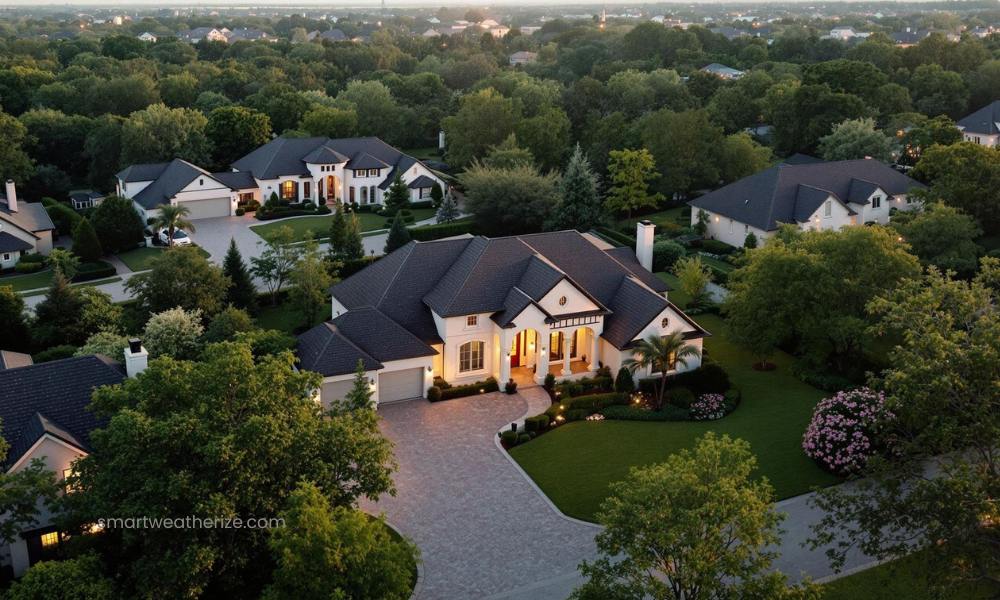
If you’re dealing with unsafe housing conditions in Houston, the Houston Home Repair Program is designed to help. Managed by the Houston Housing and Community Development Department (HCD), the program focuses on keeping low- and moderate-income homeowners safe in their homes.
Rather than forcing families to relocate, this initiative supports aging in place, stabilizes neighborhoods, and improves public health outcomes across the city.
Types of Help Available
- Minor Repair Program: Plumbing, electrical fixes, accessibility upgrades
- Roof Repair/Replacement: Critical for storm-damaged homes
- Disaster Recovery (DR-17, DR-19): Post-disaster rebuilding after events like Hurricane Harvey
- Weatherization Programs: Energy-saving upgrades supported by the U.S. Department of Energy
Do You Qualify for the Houston Home Repair Program?
The Basics
To qualify, you must:
- Own and occupy your home
- Meet income limits based on Area Median Income (AMI)
- Live within Houston city limits
Income thresholds are updated annually by the U.S. Department of Housing and Urban Development (HUD).
Priority Groups
Applications are often prioritized for:
- Seniors (62+)
- Veterans
- People with disabilities
- Disaster-affected households
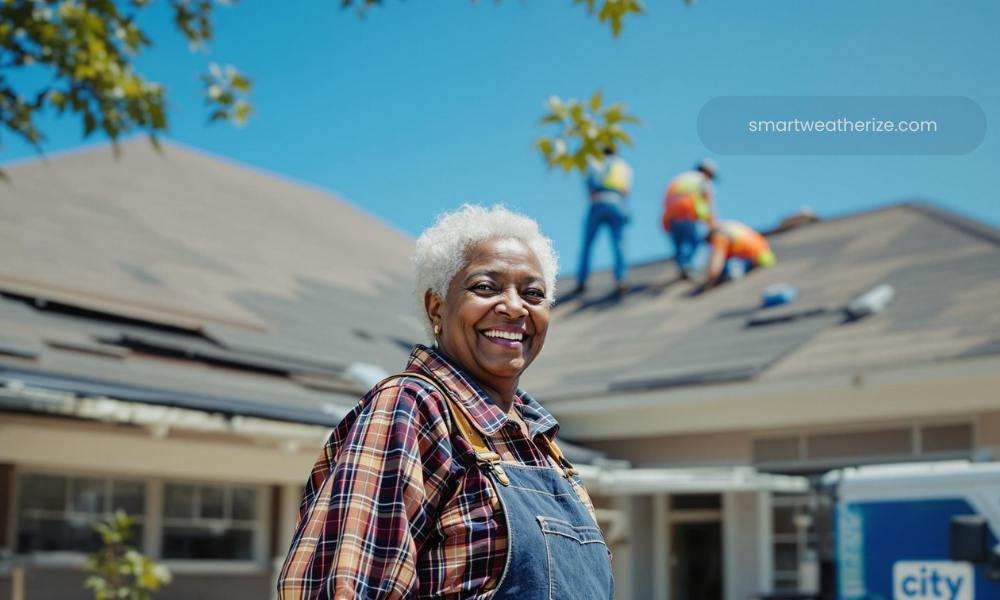
Ready to Apply for the Houston Home Repair Program?
Don’t wait until small issues turn into expensive emergencies. See if you qualify today.
How to Apply Without Delays
Step-by-Step
- Check eligibility via the Houston HCD website
- Gather documents (ID, income proof, deed)
- Submit your application
- Schedule a home inspection
- Await approval and repair timeline
Common Mistakes to Avoid
- Missing or outdated paperwork
- Unclear home ownership/title issues
- No flood insurance (if required)
What Repairs Are Covered?
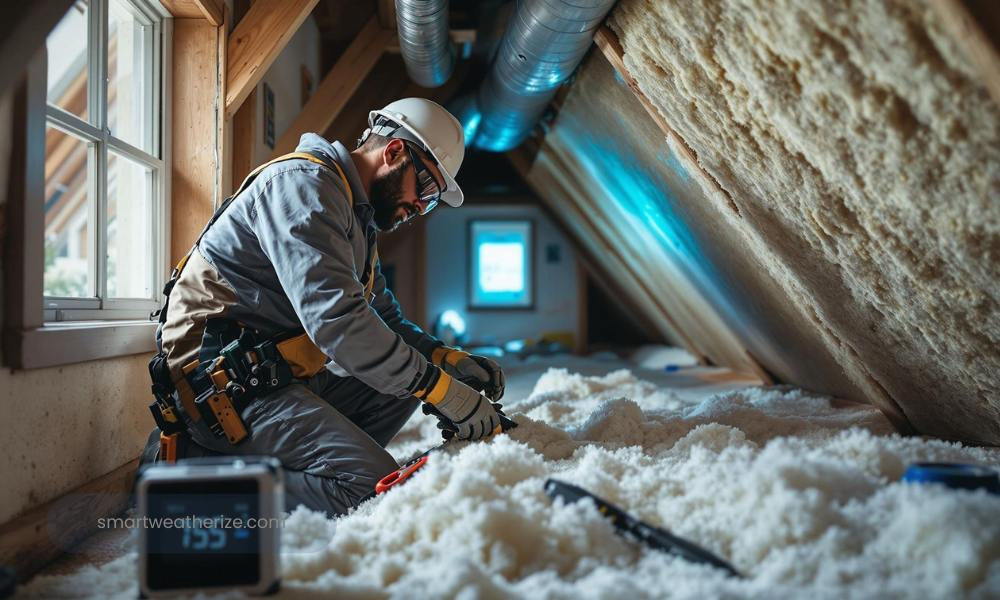
- Roof repair or replacement
- Electrical and plumbing systems
- Heating and cooling (HVAC)
- Foundation stabilization
- Accessibility improvements
Cosmetic upgrades like landscaping or luxury additions are not covered.
Key Data Insights
$30M+ invested in Houston home repairs (2020–2023)
15% of low-income homeowners live in unsafe housing
Up to 20% utility savings from weatherization
Real Impact: Success Stories
Keeping Seniors Safe
As a housing advisor, you’ll often see seniors struggling with unsafe living conditions. Programs like this allow them to remain in their homes safely—preventing displacement and costly emergencies.
Disaster Recovery That Lasts
As a homeowner recovering from a disaster, you’re not just rebuilding—you’re upgrading. Many homes repaired after Hurricane Harvey now include flood-resistant and energy-efficient improvements.
“Home repairs aren’t just about aesthetics—they’re a public health and safety issue.”
— Tom McCasland
Frequently Analyzed Topics
How long does approval take?
Approval typically takes 2–6 months, depending on funding availability and application volume. Submitting complete documents helps speed things up.
Do I have to repay the assistance?
Most programs are grant-based. Some may be forgivable loans if you remain in your home for a set number of years.
Can renters apply?
No. The program is only available to homeowners who live in the property as their primary residence.
What if I live in a flood zone?
You may still qualify, but you’ll likely need flood insurance and additional compliance steps before approval.
Take the Next Step Toward a Safer, More Efficient Home
- ✔ Get critical repairs at little to no cost
- ✔ Improve safety, comfort, and energy efficiency
- ✔ Stay in your home with confidence

Lily Strauss is an environmental and energy expert based in Boulder, Colorado, with a background in Environmental Science from Stanford and Energy Policy at a London College. She began her career in environmental consulting before moving into energy policy, contributing to major sustainability initiatives with NGOs and the U.S. Department of Energy. Currently a senior advisor at a global climate think tank, she focuses on energy equity and climate resilience. Outside of work, Lily enjoys rock climbing, photography, and urban farming, and is passionate about climate justice and youth education in sustainability.