How are thermal insulation materials transforming home comfort and energy savings?
Thermal insulation materials reduce heat transfer, keeping homes warm in winter and cool in summer. By choosing the right material—fiberglass, foam, or eco-friendly options—you can cut energy bills by up to 30%, improve indoor comfort, and boost long-term property value.
When you think about what makes a home truly comfortable—and affordable to run—thermal insulation materials are at the core. They regulate indoor temperatures, reduce energy waste, and make modern homes significantly more efficient.
With energy costs continuing to rise, understanding your insulation options isn’t just helpful—it’s essential. Whether you’re a homeowner upgrading an older property or a builder planning a high-performance home, choosing the right material directly impacts your comfort and costs.
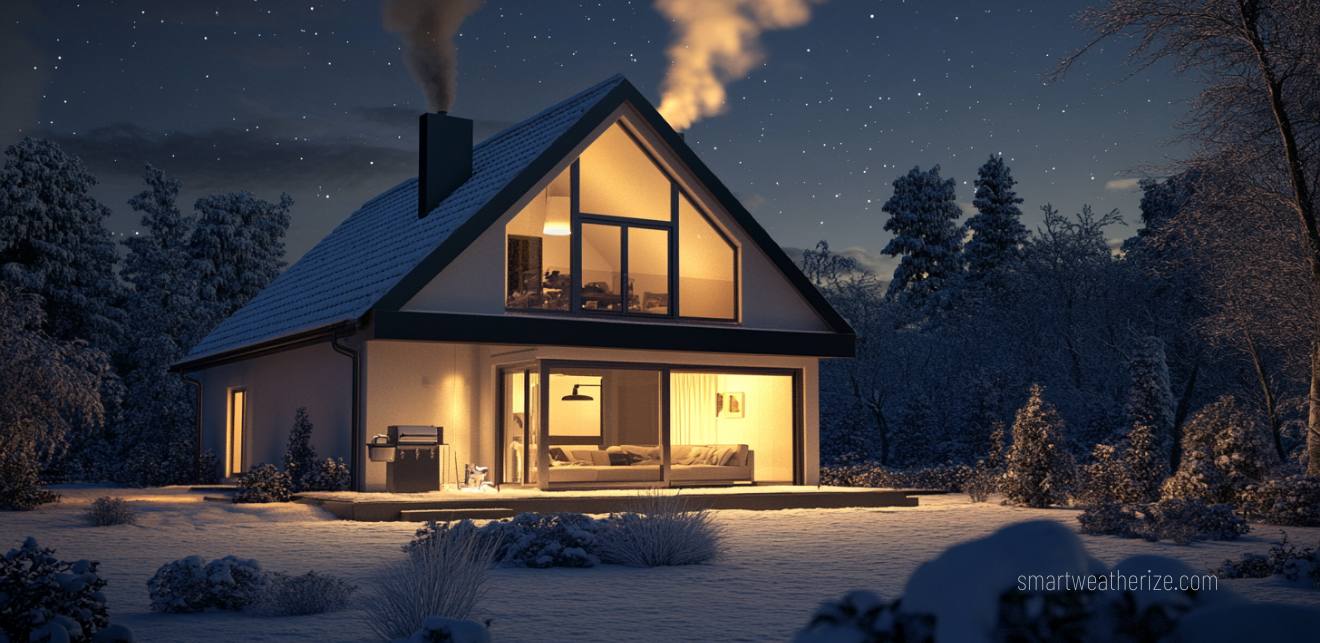 A well-insulated home maintains warmth even in extreme winter conditions.
Traditional Thermal Insulation Materials That Still Work
These materials remain the backbone of residential insulation due to their affordability and proven performance.
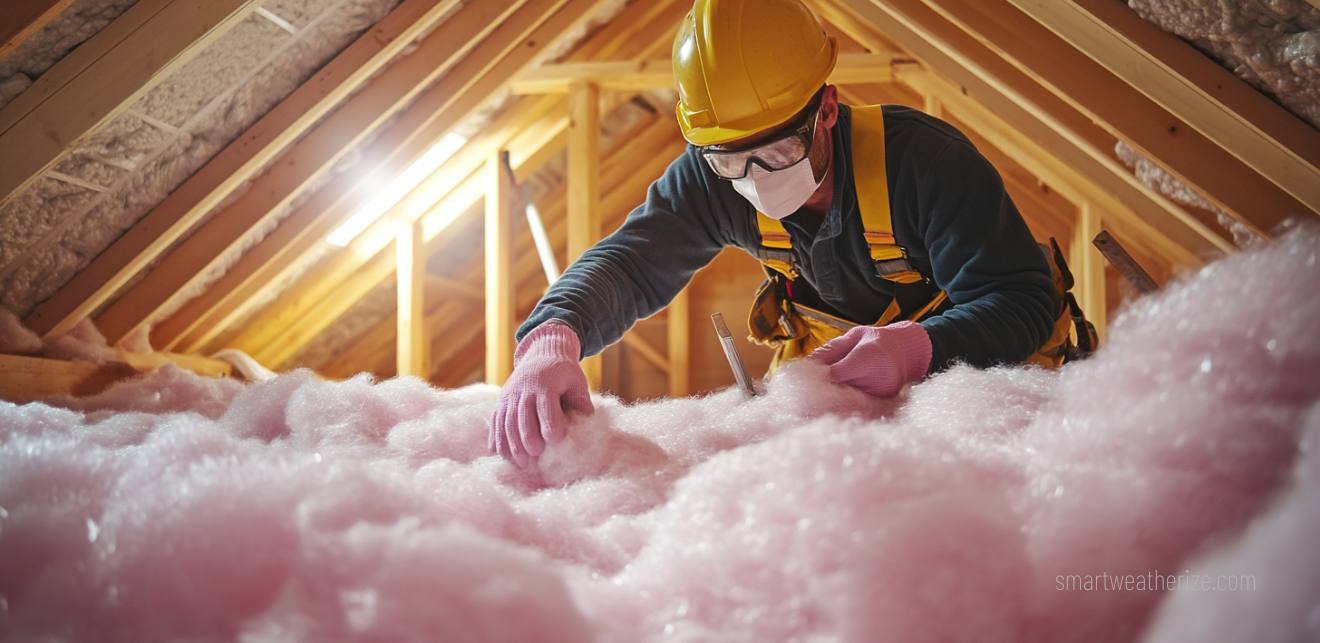
Fiberglass (Glass Wool)
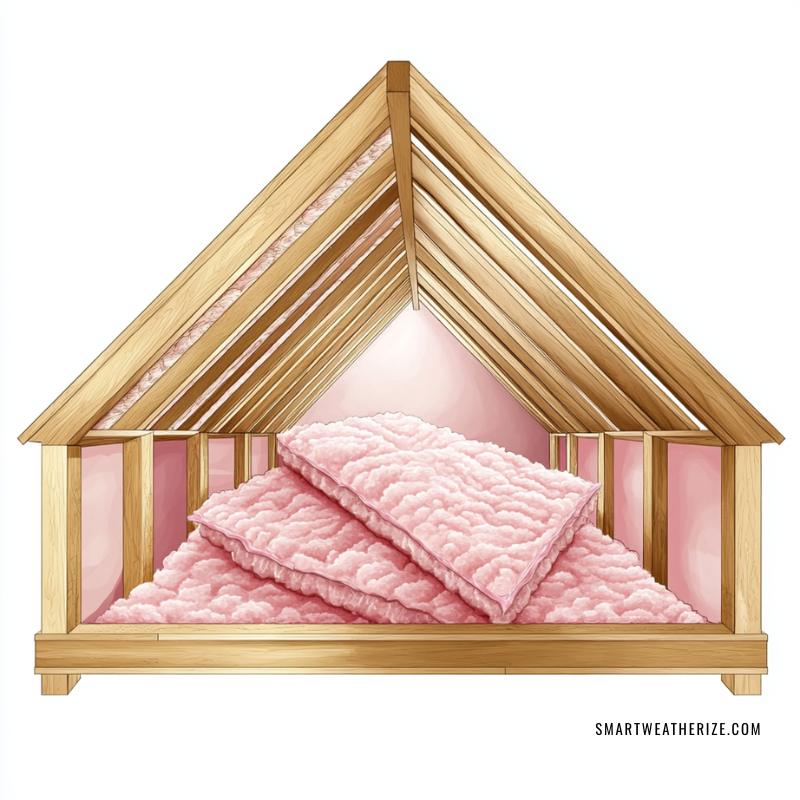
Fiberglass insulation, made from fine glass fibers, offers an R-value of 3–4 per inch and is widely used in walls and attics.
- Pros: Affordable, fire-resistant, widely available
- Cons: Requires protective gear during installation
- Best Use: Walls, ceilings, attics
Mineral Wool (Rock Wool)
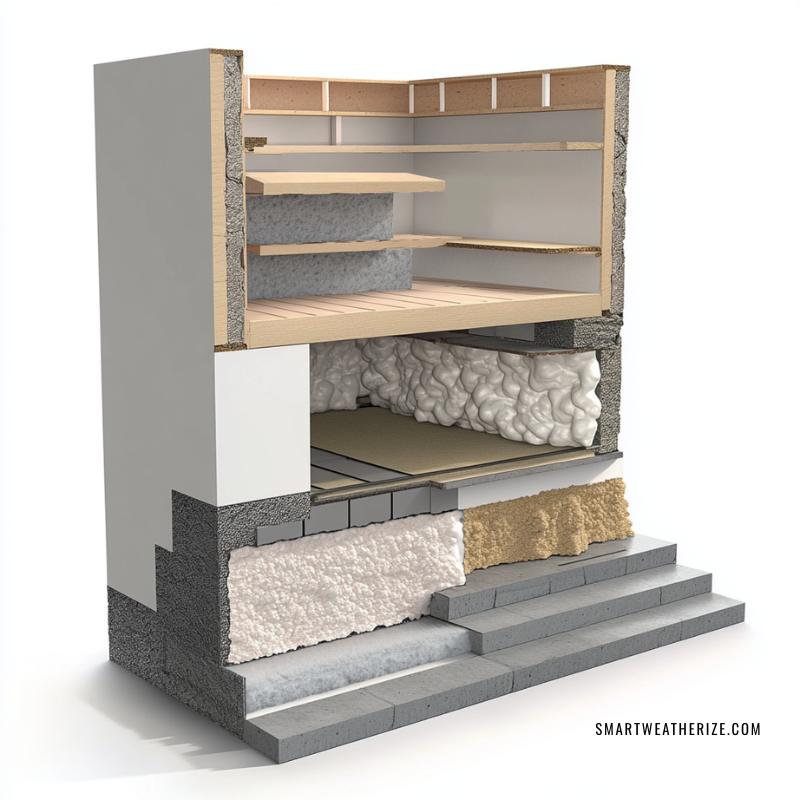
Made from basalt rock or slag, mineral wool excels in fire resistance and soundproofing.
- Pros: Water-resistant, mold-resistant, fireproof
- Cons: Heavier and slightly more expensive
- Best Use: Basements, soundproofing, fire-rated walls
Cellulose Insulation
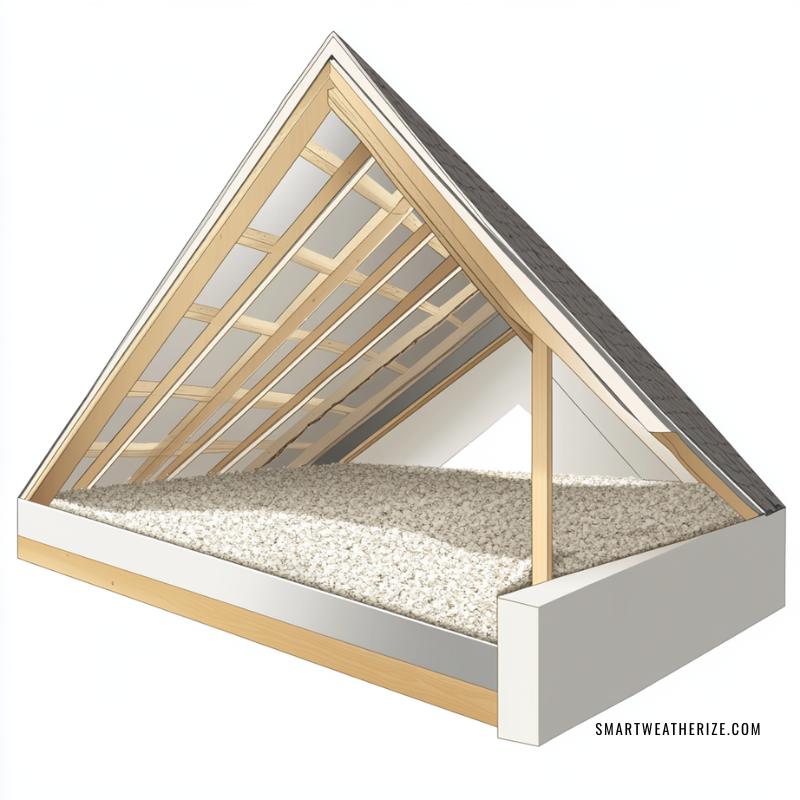
Made from recycled paper, cellulose is a sustainable option ideal for retrofits and tight spaces.
- Pros: Eco-friendly, effective for irregular spaces
- Cons: Can settle over time
- Best Use: Attics, wall cavities
High-Performance Foam & Rigid Board Insulation
For maximum efficiency, especially in extreme climates, foam-based insulation delivers superior thermal performance.
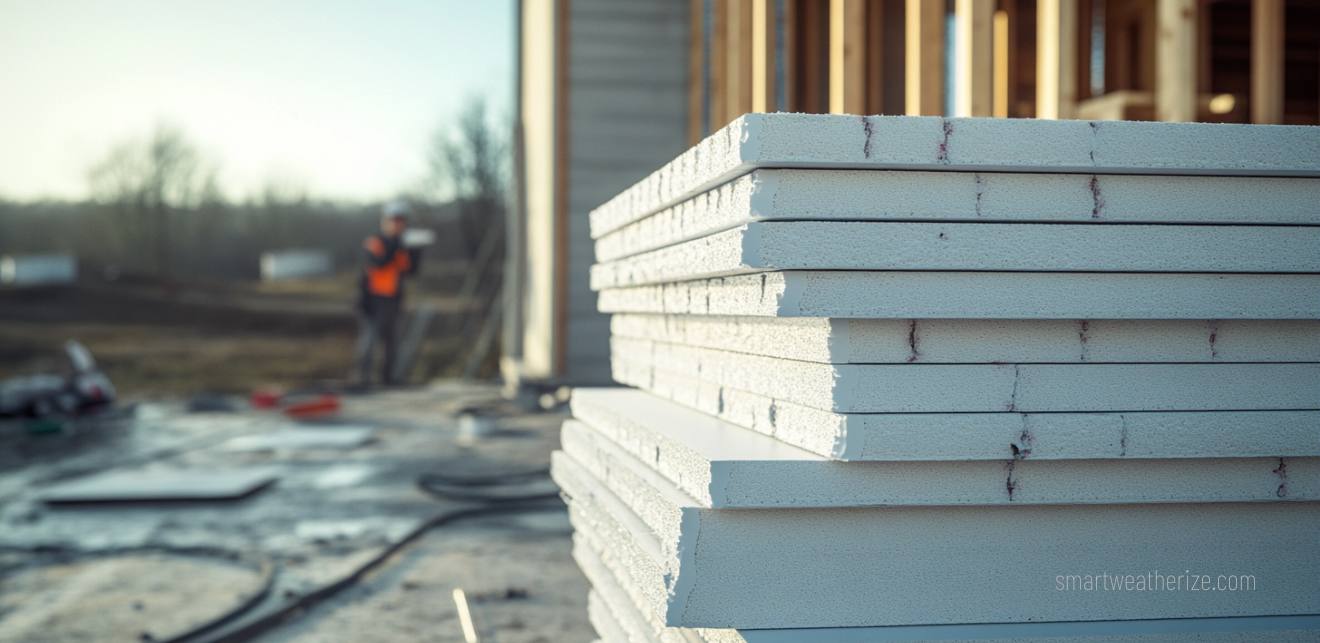
EPS & XPS Foam Boards
These rigid boards offer excellent moisture resistance and insulation strength.
- EPS: R-4 per inch, budget-friendly
- XPS: R-5+ per inch, ideal for foundations
Polyiso & Spray Foam
Polyiso boards and spray foam provide the highest R-values and airtight sealing.
- Polyiso: R-6+ per inch
- Closed-cell spray foam: ~R-6.7 per inch
Eco-Friendly Thermal Insulation Materials
If sustainability is a priority, modern insulation options now combine performance with environmental responsibility.
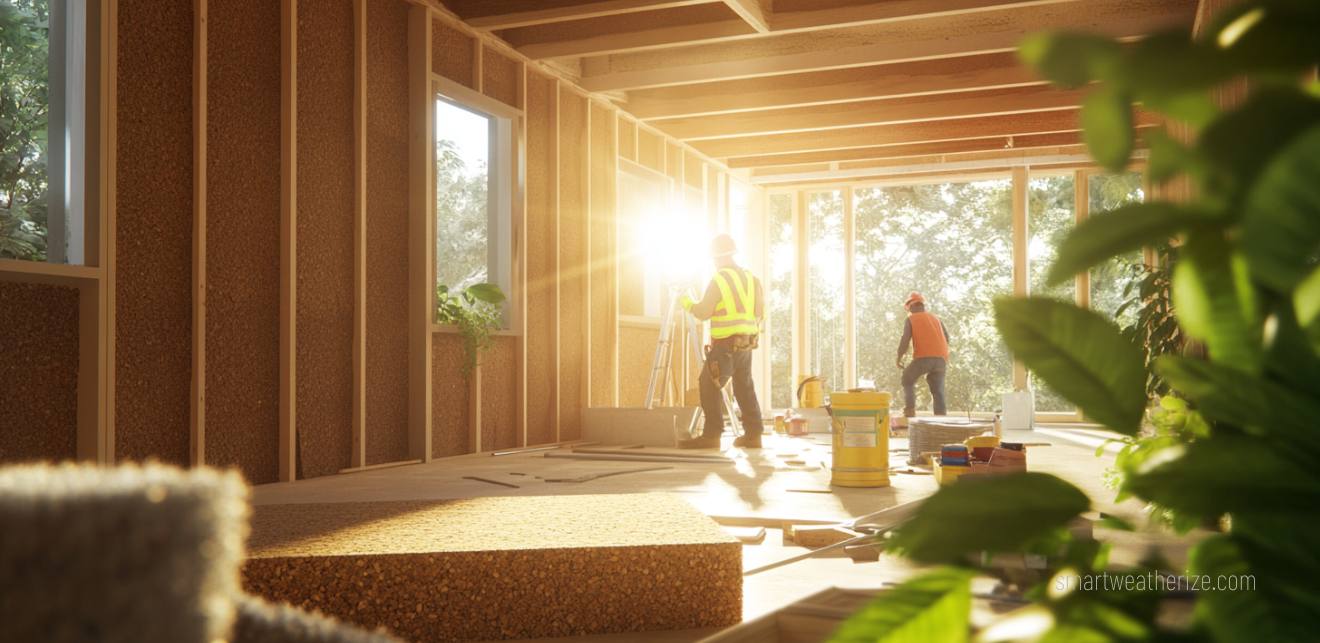
Cork Insulation
Cork is renewable, breathable, and naturally resistant to moisture and pests.
Natural Fibers
Materials like wool, hemp, denim, and coconut fibers offer safe, breathable insulation ideal for green homes.
Structural Insulation Systems
Structural Insulated Panels (SIPs)
SIPs combine insulation and structure into one system, speeding up construction and improving efficiency.
Sandwich Panels
Used in commercial and industrial buildings, these panels provide durability and strong thermal performance.
Comparison of Thermal Insulation Materials
| Material | R-Value | Key Benefit | Drawback |
|---|---|---|---|
| Fiberglass | 3–4 | Affordable | Irritant |
| Mineral Wool | 3–4+ | Fireproof | Heavy |
| Cellulose | ~3.2 | Eco-friendly | Settles |
| Foam Boards | 4–6+ | High performance | Cost |
| Cork/Natural | 3–4 | Sustainable | Price |
📊 Data Insight
Up to 75% Energy Reduction
Deep insulation retrofits using eco-materials can drastically reduce total household energy consumption.
Real-World Example: Eco Retrofit Success
A U.S. home retrofit using cork, hemp, and wool insulation reduced energy usage by 75%, while improving indoor air quality and boosting property value.
Ready to Upgrade Your Insulation?
Whether you’re renovating or building new, choosing the right insulation can dramatically reduce your energy bills and improve comfort.
Frequently Analyzed Topics
What is thermal insulation?
Thermal insulation reduces heat transfer between indoors and outdoors, helping maintain stable indoor temperatures and lower energy use.
What insulation is best?
Fiberglass for affordability, spray foam for performance, and natural materials for eco-conscious homes.
How much insulation do I need?
Attic insulation typically ranges from R-30 to R-60, depending on your climate and home design.
Make the Smart Insulation Choice Today
- ✔ Lower energy bills
- ✔ Better comfort year-round
- ✔ Higher home value
- ✔ Eco-friendly living options
As a homeowner, builder, or property investor, upgrading insulation is one of the highest ROI improvements you can make.

Terry Mercer is a seasoned energy expert whose career spans over two decades in the renewable energy and sustainability sectors. Born and raised in Colorado, Terry developed a deep appreciation for the environment at an early age, which led him to pursue a degree in Environmental Engineering from a renowned university in Colorado. After graduating, he began his career with a regional utility company, eventually rising to lead several major initiatives in wind and solar energy integration. Terry continues to champion solutions that make renewable energy more accessible to underserved communities.