What is the best caulking for weatherization, transforming home energy efficiency?
The best caulking for weatherization seals hidden air leaks that drive up energy costs and reduce indoor comfort. By choosing the right product and applying it correctly, you can cut energy loss, prevent moisture damage, and extend HVAC lifespan—all with one of the most affordable home upgrades available.
Caulking is one of the most affordable and effective ways to seal your home against air leaks, which are often the culprit behind skyrocketing energy bills, uncomfortable drafts, and even moisture-related damage. As a cornerstone of home weatherization, caulking helps maintain indoor comfort while reducing strain on HVAC systems.
This comprehensive buyer’s guide breaks down the best caulking for weatherization, what to look for when choosing one, and expert application tips to ensure long-lasting results—whether you’re a DIY beginner or planning a full home energy audit.
Flexible sealant is used to close gaps and cracks in building materials.
Improving a home’s energy efficiency by sealing and insulating.
Unsealed openings allowing conditioned air to escape.
The heating and cooling system is affected by air sealing quality.
Why Caulking Is Essential for Weatherization
Sealing Air Leaks to Improve Energy Efficiency
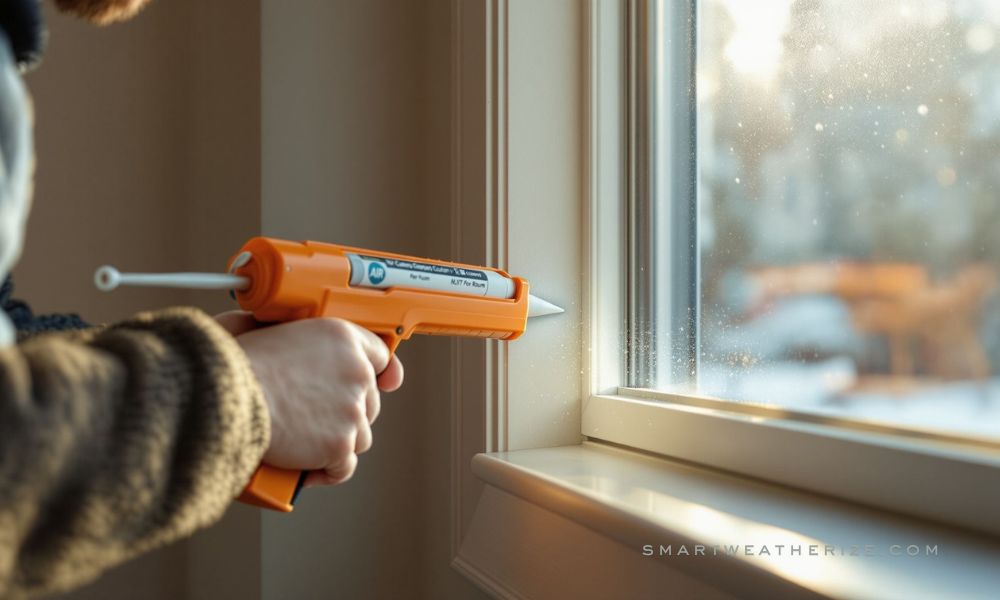
When cracks and gaps are left unsealed, they allow conditioned air to escape and outside air to enter. This forces HVAC systems to work harder, increasing costs and wear.
- Prevents heat loss in winter
- Keeps cool air inside in summer
- Reduces energy costs by up to 15%
The Role of Caulking in Air Sealing
Caulking seals areas that insulation cannot, including:
- Windows and doors
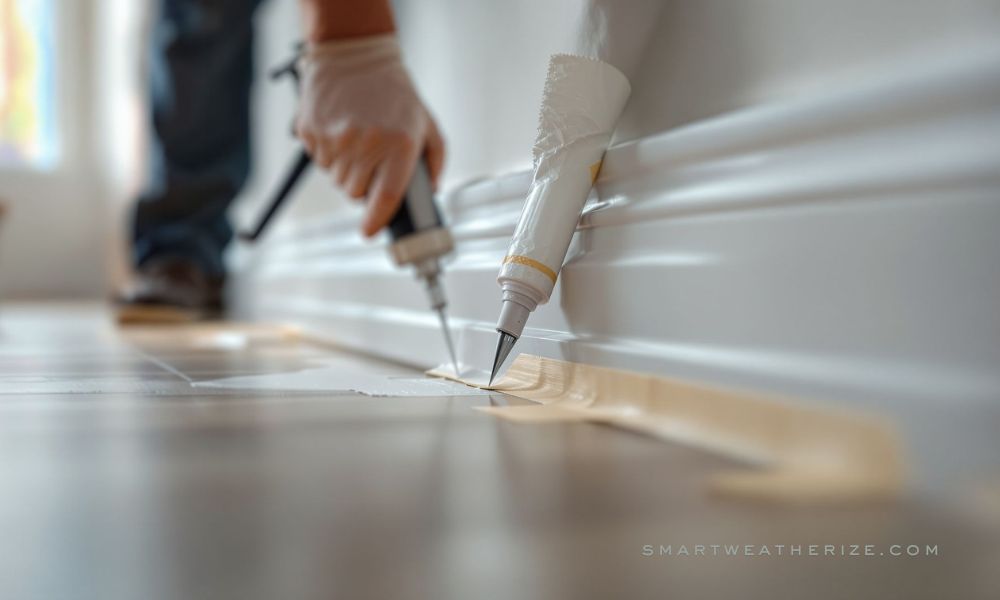
- Baseboards and trim
- Plumbing and electrical penetrations
- Crown moldings and floorboards
Combined with insulation, it maximizes airtightness for optimal energy performance. Learn more about advanced weatherization techniques.
What to Look for in the Best Caulking for Weatherization
Key Buying Criteria
- Flexibility and Adhesion: Prevent cracking with movement.
- Durability: Choose weather-resistant formulas.
- Paintability: Important for visible areas.
- Cure Time: Match your project timeline.
- Ease of Application: Especially in cold climates.
Types of Caulk
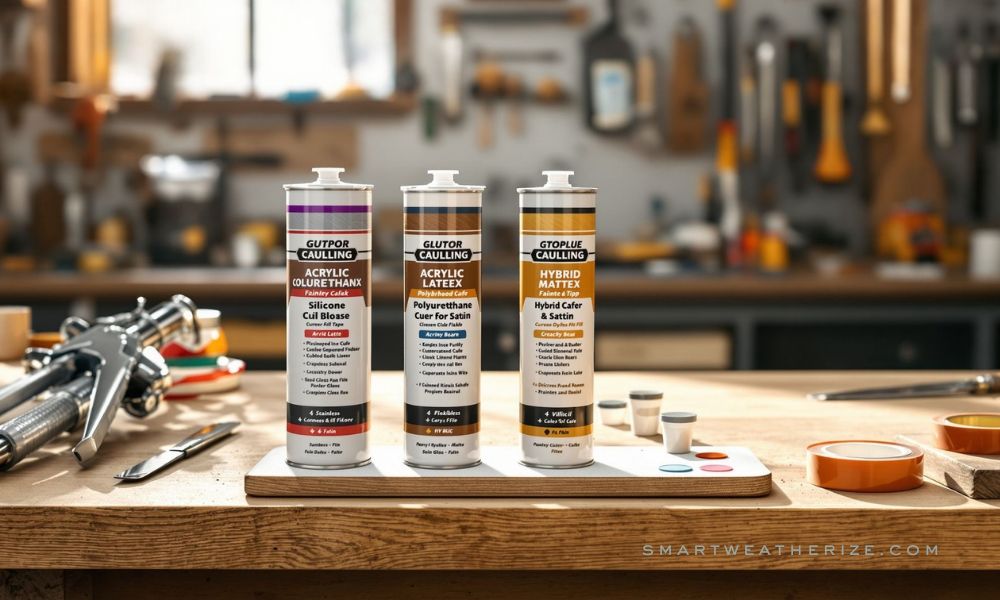
| Type | Best For | Advantages | Limitations |
|---|---|---|---|
| Acrylic Latex | Interior | Paintable | Not waterproof |
| Silicone | Exterior | Waterproof | Not paintable |
| Polyurethane | Exterior durability | Long-lasting | Harder to apply |
| Hybrid | Versatile | Flexible | More expensive |
Ready to weatherize your home the smart way?
Take the next step toward lower energy bills and better comfort today.
Expert Advice on Applying Caulk Effectively
- Clean surfaces thoroughly
- Cut the tip at an angle
- Use steady pressure
- Smooth immediately
- Apply above 40°F
— Mark LaLiberte
Frequently Analyzed Topics
Which caulk lasts longest?
Polyurethane caulks last 10–20 years and perform best in outdoor conditions.
Silicone vs latex?
Silicone is better for moisture resistance; latex is easier to paint and apply indoors.
Can I caulk in cold weather?
Some products are rated for low temperatures, but always check the label before applying.
How do I remove old caulk?
Use a scraper or utility knife, then clean thoroughly before reapplying.
Conclusion
Choosing the best caulking for weatherization is one of the smartest upgrades you can make for your home. Whether sealing windows, doors, or interior gaps, the right product ensures energy efficiency, comfort, and durability.
Take Control of Your Home’s Energy Efficiency Today
- Lower your energy bills
- Improve indoor comfort
- Protect your home from moisture damage

Lily Strauss is an environmental and energy expert based in Boulder, Colorado, with a background in Environmental Science from Stanford and Energy Policy at a London College. She began her career in environmental consulting before moving into energy policy, contributing to major sustainability initiatives with NGOs and the U.S. Department of Energy. Currently a senior advisor at a global climate think tank, she focuses on energy equity and climate resilience. Outside of work, Lily enjoys rock climbing, photography, and urban farming, and is passionate about climate justice and youth education in sustainability.