💬 “We replaced our old furnace with a 95% AFUE model and immediately felt the difference. The best part? About $500/year saved and a $600 rebate.”
— Homeowner, after a furnace upgrade
It usually starts the same way: the house feels “off” (too hot upstairs, too cold in the bedroom), and then the utility bill lands like a punch to the gut. You tweak the thermostat, you hope for the best… and somehow you’re paying more for comfort you still aren’t getting.
The truth is, HVAC systems are the quiet workhorses of the home and also some of the biggest energy users, often responsible for 40–60% of total energy consumption. The good news is you don’t have to choose between savings and comfort. You just need a smarter plan.
Get the HVAC Efficiency Roadmap →
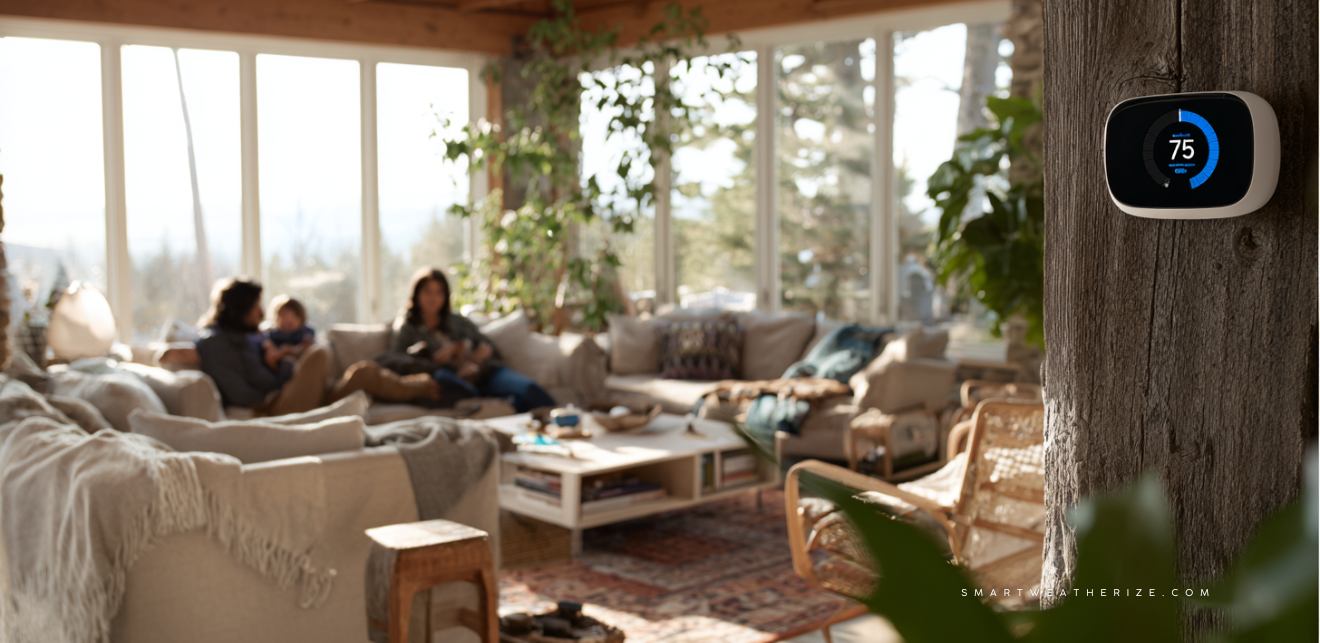
When heating or cooling is inefficient, you feel it twice: once in the rooms that never match the thermostat, and again when you see the bill. HVAC systems can be responsible for nearly half of a home or business energy spend, which means the smallest inefficiencies get amplified month after month.
The turning point for most homeowners is realizing it’s not just about the equipment. Efficiency is about how the whole home works together: the system, the ducts, the insulation, the controls, and the maintenance. Fix the bottlenecks, and comfort gets easier while costs drop.
STAT Efficient HVAC upgrades can cut heating and cooling costs by 20–40%, according to the U.S. Department of Energy.
“An efficient HVAC system isn’t just about the equipment — it’s about how the whole home works together to maintain comfort.” — ENERGY STAR
💬 “We replaced our old furnace with a 95% AFUE model and immediately felt the difference. The best part? About $500/year saved and a $600 rebate.”
— Homeowner, after a furnace upgrade
⭐
“Duct sealing + smart thermostat + attic insulation dropped our bills by 30%. The whole house finally feels even and the air feels fresher.”
— Homeowner, after targeted upgrades
🔥
“Once we understood ratings like SEER and AFUE, it was obvious our system was wasting money. The upgrade felt expensive until we saw the monthly numbers.”
— Homeowner, after learning efficiency ratings
Most people try to solve HVAC discomfort by cranking the thermostat. But that’s like pressing harder on the gas pedal when your tires are low and your alignment is off.
The real shift happens when you treat efficiency as a system: equipment performance, airflow delivery, home insulation, and controls working together. That’s how you get steady temperatures and predictable bills.
What changed for homeowners who saw measurable savings?
You don’t need to replace everything to see results. The fastest wins usually come from fixing what’s already leaking, drifting, or running harder than it should. Start with one step, then stack the savings.
HVAC efficiency is simple in concept: how well your system turns energy into comfort. The less waste, the lower the bill. When comparing equipment, the ratings matter: SEER (cooling-season efficiency), EER (performance at a set condition), AFUE (fuel-to-heat efficiency for furnaces), and HSPF (seasonal heating efficiency for heat pumps).
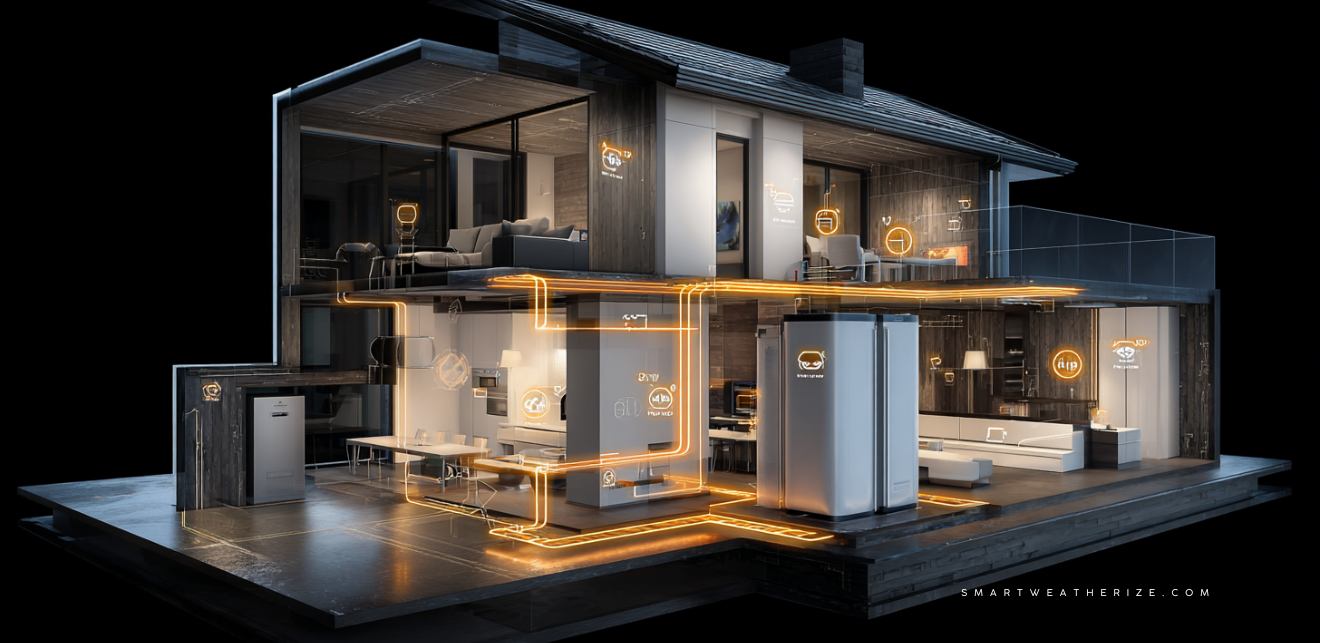
Whether you have central air, a heat pump, or a furnace/boiler setup, the improvement path follows the same logic: upgrade strategically, optimize delivery, and maintain performance so you’re not paying for wasted output.

EXPERT “Regular maintenance is the simplest and most cost-effective way to ensure your HVAC system runs at peak efficiency.” — ASHRAE
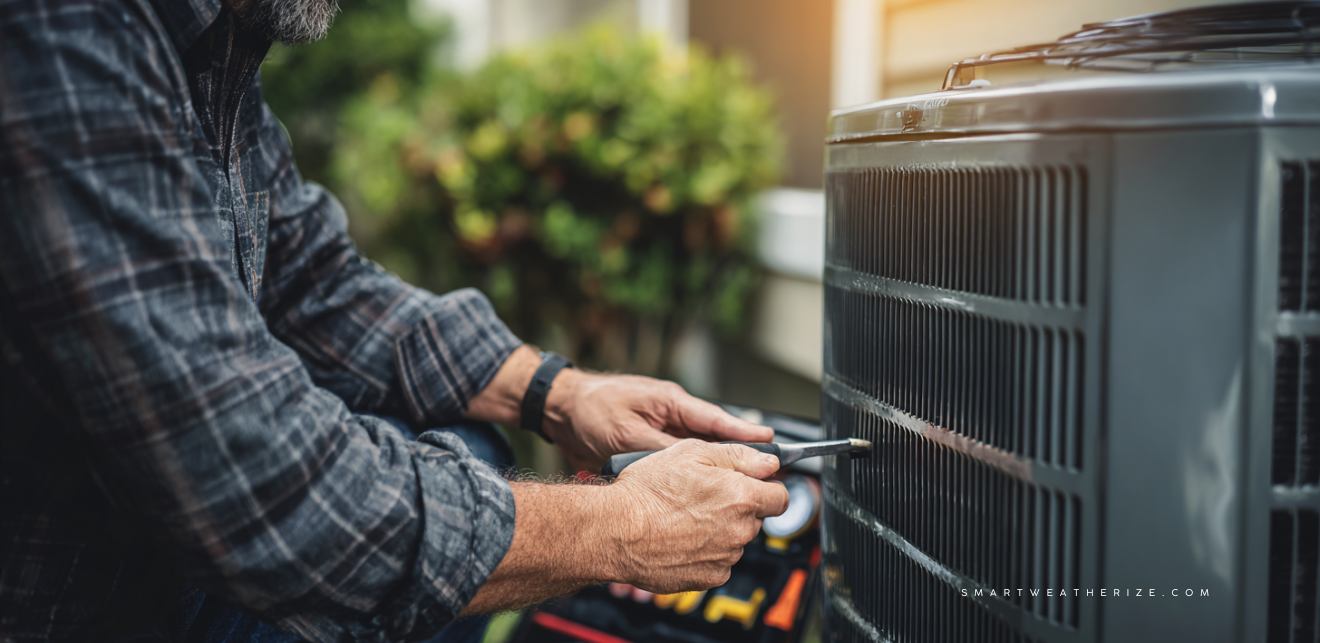
Swapping an old 10 SEER air conditioner for a 16 SEER model can save hundreds each year. And the benefits aren’t just financial: heating and cooling systems are responsible for about 15% of global greenhouse gas emissions, so every efficiency gain reduces your footprint.
On top of monthly savings, many upgrades can qualify for rebates and tax credits. ENERGY STAR highlights opportunities that can reduce upfront costs by as much as 30%.
| Efficiency Upgrade | Potential Savings | Potential Incentives |
|---|---|---|
| Replace furnace (95% AFUE) | Up to $500/year | Federal tax credits, utility rebates |
| Upgrade A/C (16+ SEER) | $200–$400/year | ENERGY STAR rebates |
| Install smart thermostat | ~10% heating/cooling savings | Utility discounts |

What’s the best thermostat setting for efficiency?
Around 68°F in winter and 78°F in summer. A few degrees up or down when you’re away can add even more savings.
Does HVAC maintenance really matter?
Definitely. Neglect can shave 15% off efficiency and lead to costly breakdowns.
How do I know if my system is inefficient?
Watch for spiking bills, uneven room temps, frequent repairs, or unusual noise. Those are red flags your system is struggling.
Are heat pumps more efficient than furnaces?
In many climates, yes. Heat pumps can deliver three times the energy they use, especially in mild to moderate regions.
Every bit of efficiency you gain puts money back in your pocket and comfort back in your home. Start with one step (like a filter change or duct sealing), and let the savings build from there.
If you’ve been meaning to book that tune-up, this is your nudge: preventative care is usually the cheapest way to get your system back to peak performance.
Start Improving HVAC Efficiency Today →
Reassurance: You don’t have to do everything at once. One smart improvement can change your comfort and costs faster than you think.
Request a quote or schedule a tour today!
Want to get in touch? We make it our priority to respond to every request within 24h.