A Quick Guide to Residential Insulation and Air Sealing
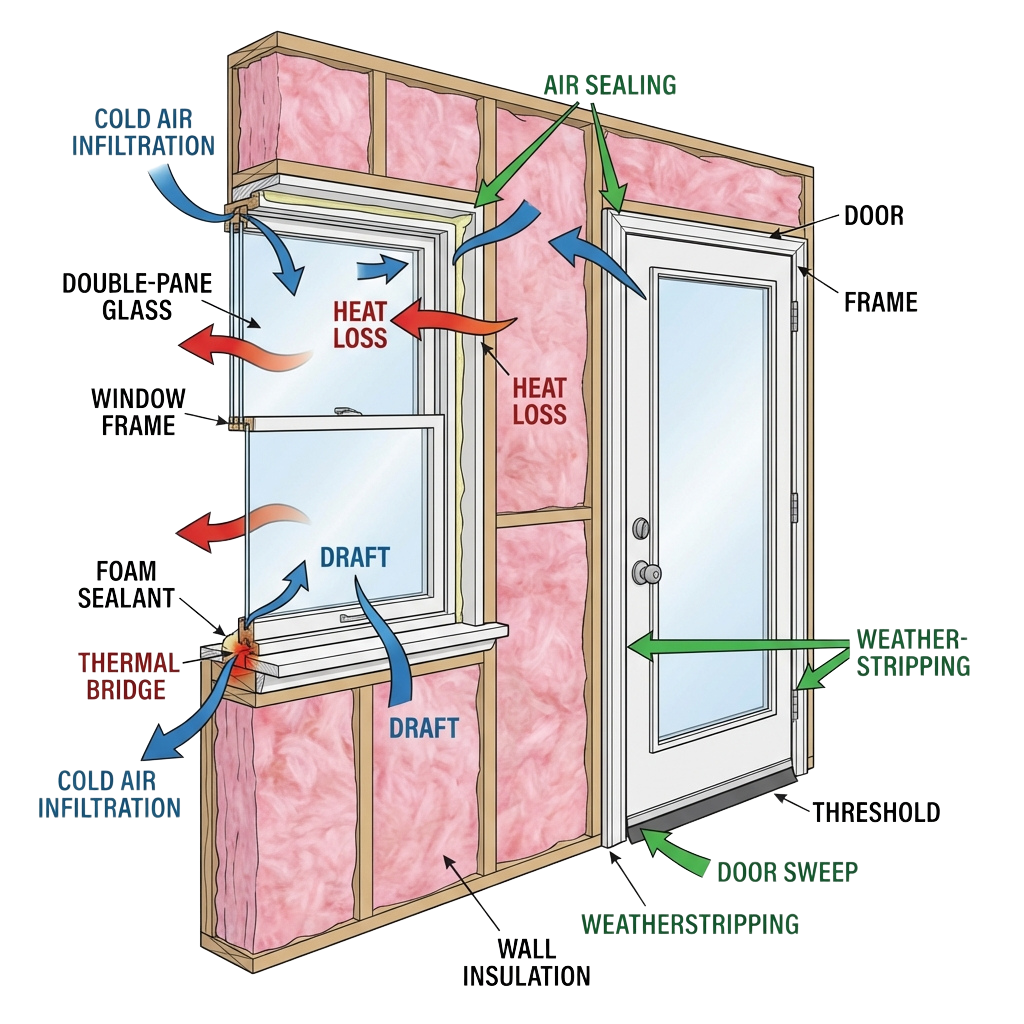
Transform Your Home with Proper Insulation & Air Sealing
Lower energy bills, better comfort, and a smaller carbon footprint.
Insulation slows heat transfer. Air sealing blocks drafts and uncontrolled airflow. Together, they’re one of the most affordable, high-impact upgrades you can make for year-round comfort.
What a “tight & insulated” home feels like
When drafts are sealed and insulation is properly installed, temperatures stay more consistent, rooms feel quieter, and your HVAC system runs less.
Lower monthly bills
Reduce heating/cooling waste quickly.
More even comfort
Fewer hot/cold spots across rooms.

Pro tip: air seal first, then insulate for best results.
Why Insulation & Air Sealing Matter
Comfort, savings, and sustainability — without major remodeling.
Lower Energy Bills
Cut wasted heating/cooling by sealing leaks and adding R-value.
Fewer Drafts
Stop cold air sneaking in and conditioned air leaking out.
Moisture Control
Reduce humid air movement that can drive mold and rot.
Smaller Footprint
Use less energy and reduce emissions year after year.
What is Insulation?
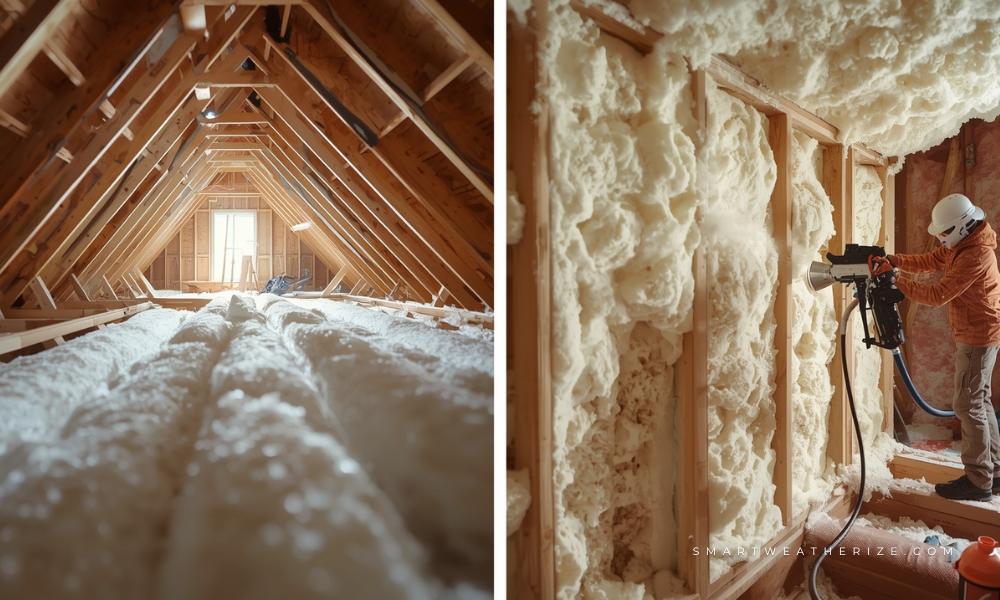
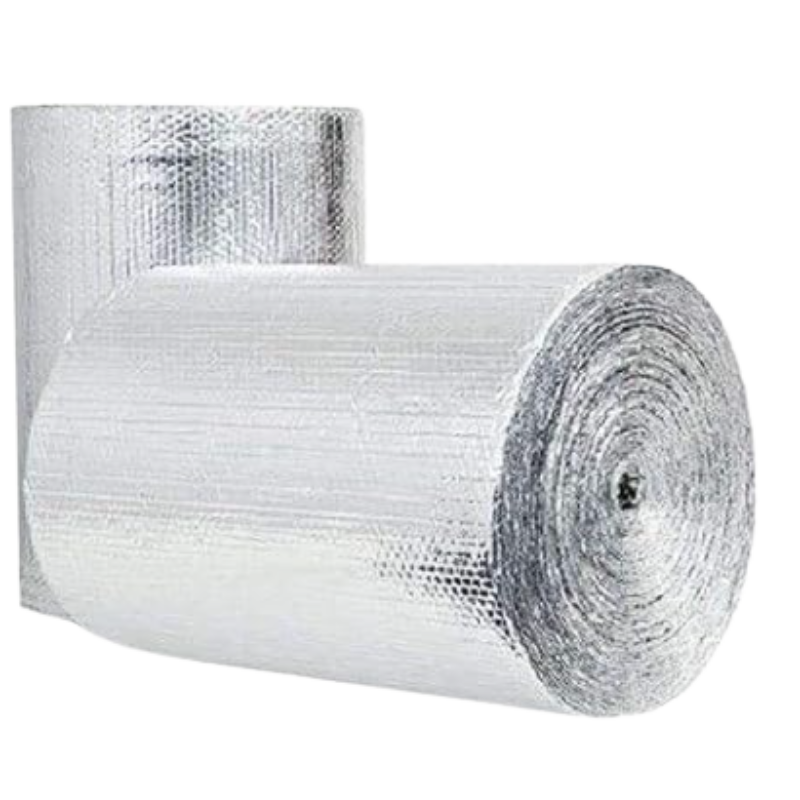
Insulation slows heat transfer to keep your home warmer in winter and cooler in summer.
- Batts & rolls: fiberglass/mineral wool between studs and joists
- Blown-in: cellulose/fiberglass for attics and wall cavities
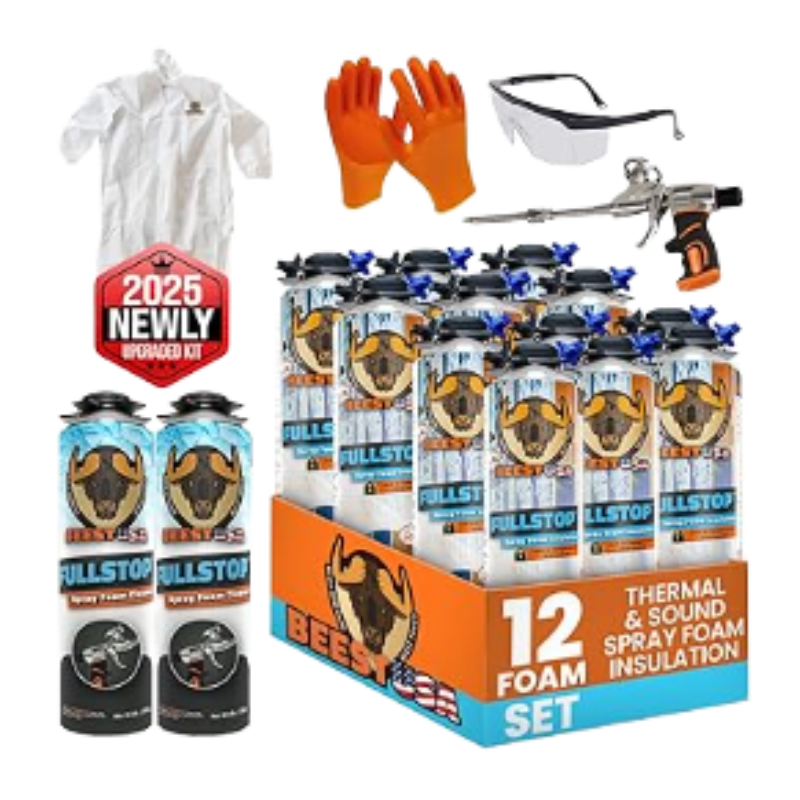
- Spray foam: expands to seal gaps while insulating
- Rigid foam: high R-value with minimal thickness
What is Air Sealing?
Air sealing closes gaps, cracks, and penetrations to prevent uncontrolled airflow.
- Attics: recessed lights, hatches, vents, plumbing stacks
- Basements/crawlspaces: rim joists, penetrations, foundation cracks
- Windows/doors: caulk + weatherstripping
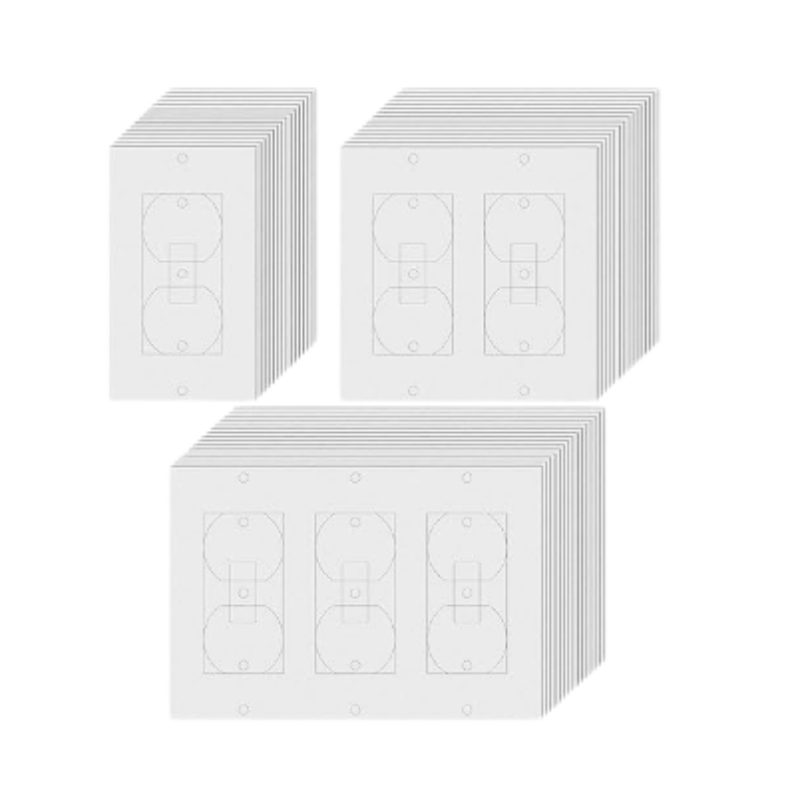
- Outlets/switch plates: gaskets on exterior walls

15–20%
Typical heating & cooling savings from sealing + insulating.
3–5 Years
Common payback window for many insulation upgrades.
Quieter
Sealed gaps reduce outside noise and indoor drafts.
The Simple Process That Delivers Real Results
Find the Leaks
Use a checklist or energy audit to identify drafts and weak spots.
Seal First
Caulk, weatherstrip, foam big gaps, and gasket outlets.
Insulate Smart
Prioritize attic first, then walls and rim joists for biggest impact.

Quick Wins You’ll Feel This Week
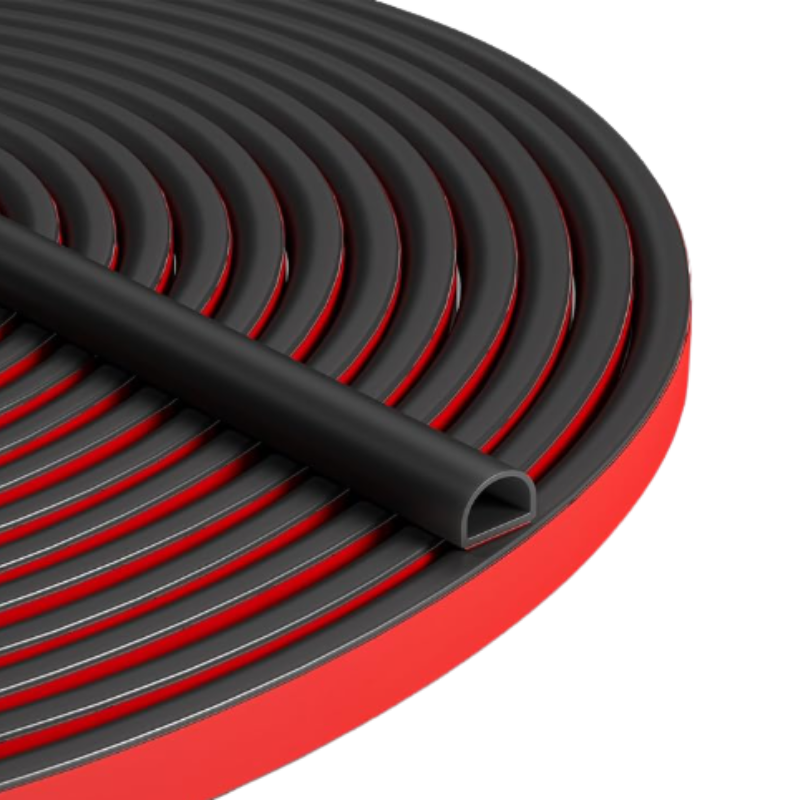
- Weatherstrip doors & attic hatches
- Caulk trim gaps and window frames
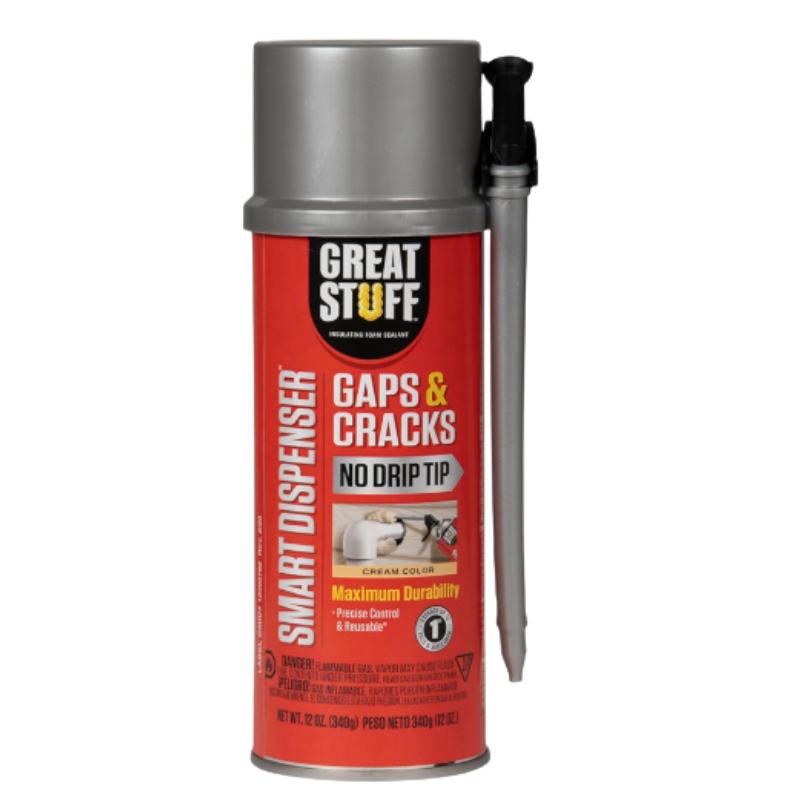
- Foam large penetrations in attic/basement
- Add outlet/switch plate gaskets on exterior walls
Recommended Tools & Materials
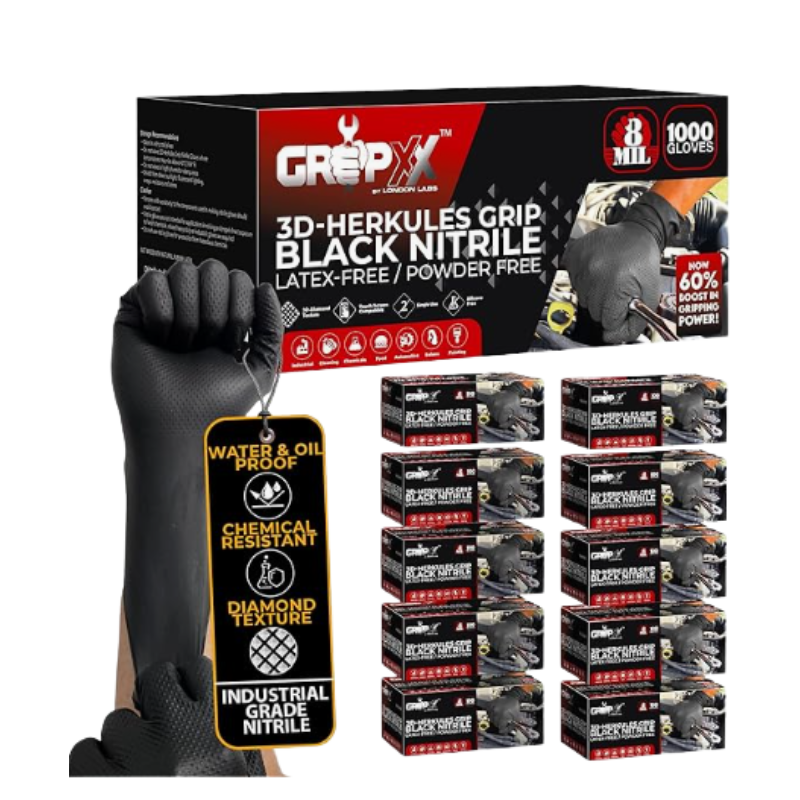
Everything you need to seal drafts, insulate effectively, and work safely.


Want the fastest wins?
Start with weatherstripping + caulk, then hit big gaps with foam, then add outlet gaskets.
Get the ChecklistAssess Your Home Like a Pro
The best results come from identifying where air leaks and insulation gaps exist. A professional energy audit can pinpoint problem areas — but you can also start with a DIY checklist.
Shop the Essentials
Ready to Stop Drafts & Start Saving?
Start with air sealing, upgrade insulation where it matters most, and enjoy a more comfortable, efficient home.
Ready to Lower Your Utility Bills?
Schedule a FREE consultation!

Contact us
Want to get in touch? We make it our priority to respond to every request within 24h.